Corn and Soybean Food Plots in Northern Wisconsin
Your One Stop Food Plot Shop — Standing Grain When Late Season Gets Cold
Your One Stop Food Plot Shop — Standing Grain When Late Season Gets Cold
Clover and brassicas carry a northern Wisconsin property through much of the year, but corn and soybeans do a different job: high-energy grain standing above snow when deer need it most. The catch is the northern season. North of Highway 8 the frost-free window is short, soils warm up late in spring, and an early fall frost can cut a late-planted corn plot short before ears fill. On ground we manage — 410 acres under management — grain plots are planned around that window from the start: earlier-maturing seed, ground prepared the fall before where possible, and plot size matched to how hard local deer will browse it.
Browse pressure is the second northern fact. A small soybean plot in heavy deer country can be clipped to stems before it ever makes pods, while the same planting inside a larger block, or paired with other forage nearby, survives to produce grain. Corn faces less early browse pressure but needs more fertility and cleaner fitted ground. Our crew sizes and places grain plots as part of the whole system — see how plots get built on our food plot building page, and how seed choice is matched to ground on our food plot seed page.
Every step handled by our crew, in the order the ground needs it
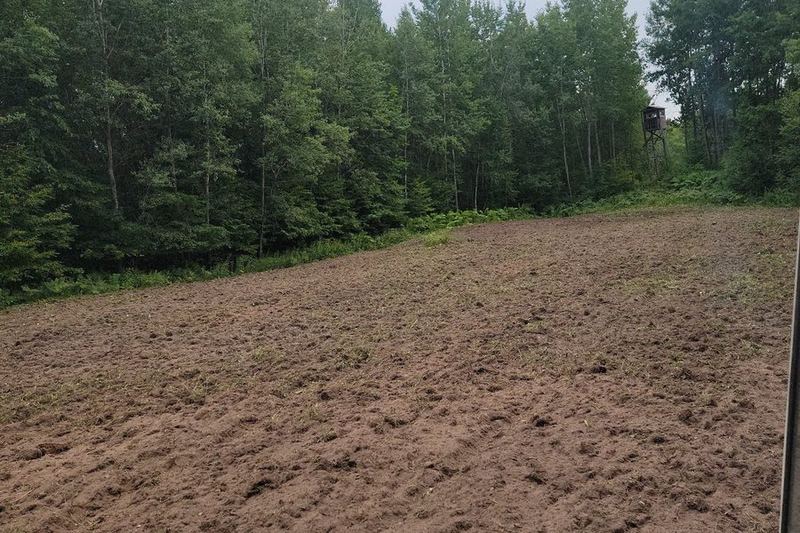
Our crew places grain plots where sun, access, and nearby cover line up, and sizes them for real browse pressure — too small and soybeans never canopy, too exposed and late-season deer will not use them in daylight.
Corn is a heavy feeder and soybeans still need the right pH to fix nitrogen well. Testing comes ahead of planting — see our soil testing page.
Planting waits for soil warm enough for even germination, then moves fast. Earlier-maturing varieties fit the northern window better than full-season farm varieties chosen for southern fields.
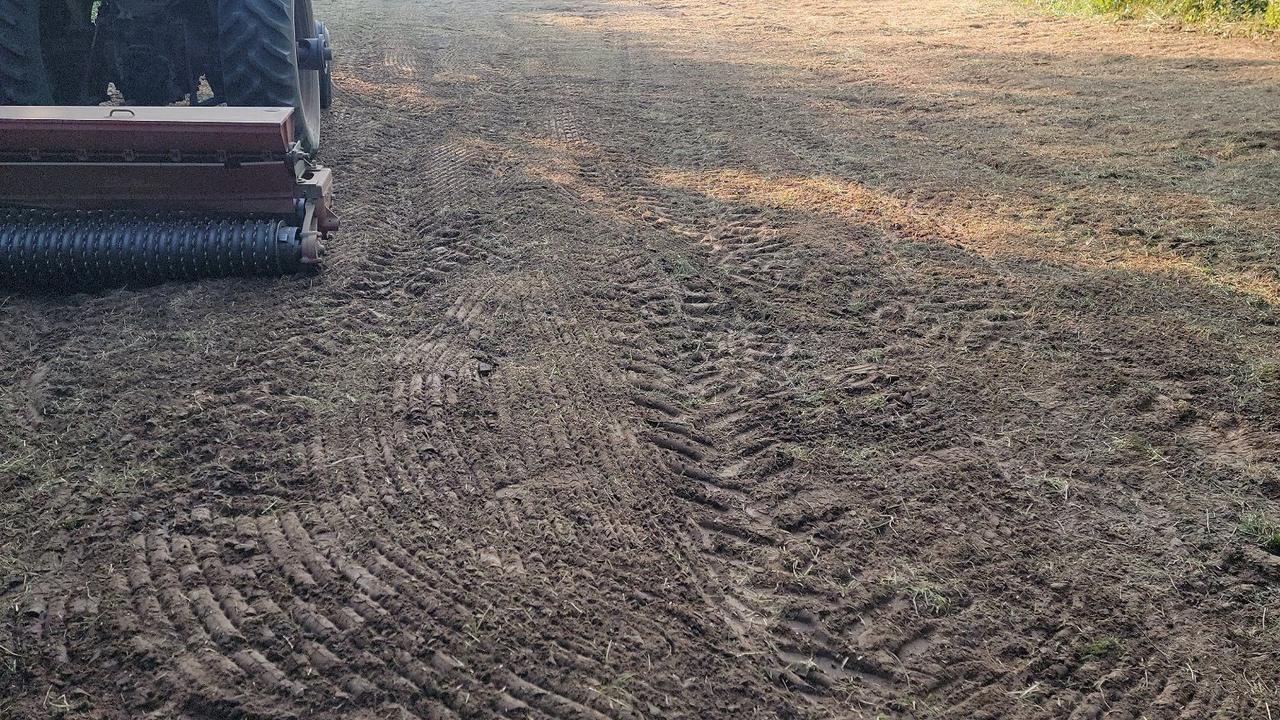
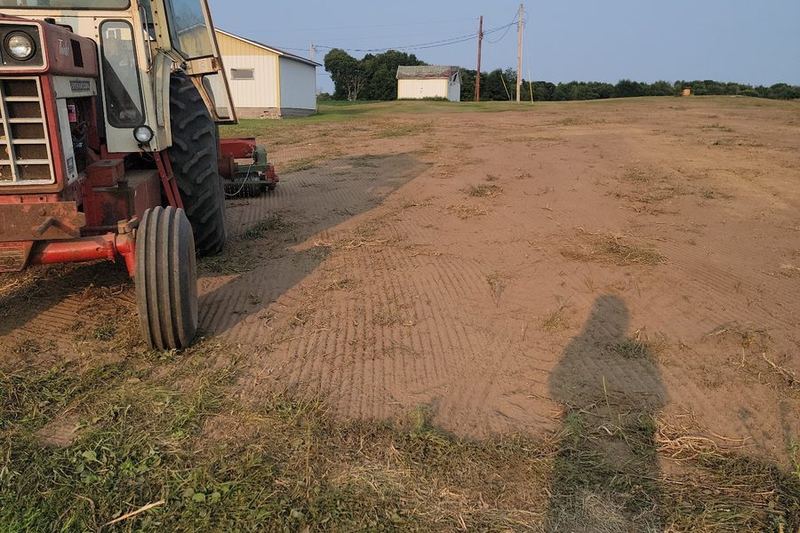
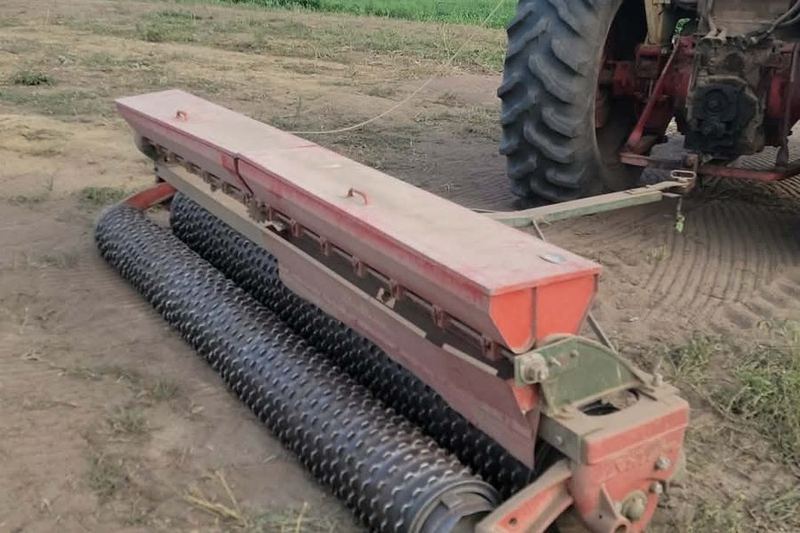
Firm, clean fitted ground matters more on sandy Burnett and Washburn ground, where moisture leaves fast. Our crew discs, levels, and fits the ground first, then plants, so seed depth stays even.
Young corn and beans lose the race if weeds get there first. Clean ground prep before planting, and a plot laid out so it can be worked, give the crop the head start it needs — part of our food plot maintenance work.
The point of a grain plot is December, not August. Plots are left standing through season and checked alongside trails and stands — see our late-season hunting land page.
The best time to add corn or soybeans to a property is the winter before: walk the ground, pick the block, pull soil samples, and line up clearing or ground work so spring planting is not rushed. Our crew is booking winter planning and spring plot work now. A walk-through costs nothing and puts your property on the schedule in the order calls come in — see our winter planning and food plot services in northern Wisconsin pages for the full system.
Where we work. Our crew is based in Cumberland, in northwestern Wisconsin, and covers WI, MN and MI for the full range of land work, including food plot and hunting land work around Hudson and New Richmond. For full-system food plot and hunting property work, we serve landowners across northern Wisconsin, including full-system properties in Chippewa, Dunn, and Eau Claire Counties, from the Spooner side up toward Hayward and across the Northwoods, including owners who live out of state and get photos and updates from our crew as the work gets done. We do not claim a shop or crew base anywhere else; the work travels, the home base stays Cumberland.
Free estimates. Every property starts with a walk, a plan, and a free estimate. Call (715) 722-7270 and our crew will talk through your ground.
Standing grain is the strongest late season draw there is, and the least forgiving to plant wrong.
Corn and soybeans are destination plantings: the field deer travel to at dark in the late season. They get placed against bedding cover and access like any other plot in the system, sized for the browse pressure they will take. A standing corn edge doubles as screening cover for the access routes behind it.
Grain crops feed heavier than any other plot planting. The soil test sets what goes in the ground before planting, and a grain plot planted on a guess shows it by midsummer, in the stand and in what is left standing by December.
The value of a grain plot is what is still standing when the snow comes. Planting rate, fertility, and plot size all get set so the field is feeding deer during the hunts that matter, not eaten to dirt by October.
They are the strongest late season draw a property can carry, where the ground and the acreage support them. Spaeth Land Services plants corn and soybean plots as destination fields inside the property system, soil tested first and sized against browse pressure.
Big enough to survive the browsing. Small soybean plots get eaten to the ground before they ever make a crop, so size gets set on the walk-through against deer density and the ground available. There is no floor and no standard size: a plot can run a half acre or smaller where the plan calls for it, and destination grain fields run as big as the property calls for.
Cleared openings, worked ground, and planting gear — the system in progress
Tell us about your project and we will get back to you. Free estimates, no pressure.
Based in Cumberland, serving WI, MN and MI, and landowners across northern Wisconsin, including Chippewa, Dunn, and Eau Claire Counties, for full-system food plot and hunting land work