Hunting Land Renovation
Old Ground Brought Back, Start to Finish, by One Crew
Old Ground Brought Back, Start to Finish, by One Crew
A lot of good hunting land is not bad land. It is land that sat. The plots grew in, the lanes closed up, the old stands rotted where they stood, and the brush took back every edge. A hunting land renovation is the full reset: one crew walks the whole property, lays out what it should be, and rebuilds it piece by piece until it hunts the way it did on its best year, or better.
This is different from hiring out one job at a time. A cleared plot with no water, no cover, and no way to get a stand to it still does not hunt. Renovation puts the pieces back together as a system: food, water, cover, access, and stand sites planned against each other, then built in the right order. When it is done, most owners keep the ground on our custom property management so it never slides back. A water hole set between bedding cover and the evening feed can pull more daylight movement than another acre of plot. Up north the same renovation work builds elk habitat — forage openings, young cover, and water set for the herds that have come back to the big woods. Either way, a renovation is hunting land improvement at the whole-property scale: deer habitat rebuilt piece by piece instead of one job patched at a time.
Every property needs a different mix. These are the pieces, in the order they usually run.
We walk every acre with you, map what is still working, and lay out the rebuild: plot sites, water, cover, trails, lanes, and stand locations as one plan.
Grown-in plots, edges, and access get opened back up. Brush and second growth come out, good trees stay, and the ground is left ready for the next step. See our land clearing page.
Most older properties have no water where the deer actually travel. We dig water holes in low ground on travel routes between bedding and food, so deer can drink without leaving cover.
Thick, quiet cover is what holds deer on a property through the season. We build and protect bedding areas and doe sanctuaries and keep pressure off them. See our doe sanctuary and bedding cover page.
Old plots get cleared, soil tested, and replanted. New plots get built where the plan calls for them. The full sequence is on our food plot services page.
Access trails reopened, shooting lanes cut back in, and stand sites cleared and prepped, with blinds delivered and installed where the plan puts them. Details on our trails and blind pads page.
Where we work: Based in Cumberland, our crew renovates hunting land across WI, MN and MI, including ground around Chippewa Falls, Menomonie, and Eau Claire. On full-system builds of 80 acres or more, our crew travels across Wisconsin and into Minnesota and Michigan.
Owners who live out of state: A lot of the ground we renovate belongs to owners who cannot be here to watch it happen. You get the plan up front and photos and updates as each piece gets finished, the same way our managed properties run. The system is at work right now on 410 acres under management here in northwestern Wisconsin.
Free estimates. Call (715) 722-7270, tell us what the property used to be and what you want it to hunt like, and we will walk it and lay out the renovation with you.
A renovation runs the Full Service System across a whole property that has gone backwards: the excavator clearing makes the ground first, and the food plot work runs on it after, each job scoped on its own.
The whole property gets walked and read: what the deer are still using, what grew in, what the ground can carry. Winter designs run remote on aerial and elevation maps.
Brush and second growth come out by the root, trails and lanes get reopened, water holes and bedding cover get built, and stumps come out behind the clearing.
Plots go in on the system: soil tested first, ground disced and fitted, then seed planted with the Brillion, spring and late summer plantings timed to the north.
Renovation without management is a cleanup with a head start on growing back. Spraying, mowing, frost seeding, and reseeding keep the property hunting the way it was rebuilt to.
The difference is not effort. It is whether the property gets rebuilt as a system or just knocked down once.
Plots, bedding cover, trails, lanes, water, and stand sites get designed together, so the property hunts as one plan. A cleanup opens ground. A renovation decides what the deer do on that ground, season long.
Money put into trails that stay open, plots that are established and feeding, and habitat a buyer can see from the trail does not get used up. Raw ground sells on a promise. Worked ground sells on what is standing there.
Plenty of renovated properties belong to owners who live hours away or out of state. The design, the build, and the season management all run with our crew, and owners get photos as each stage goes in.
The design can, and should. Spaeth Land Services runs winter walk-throughs remote on aerial and elevation maps, so the renovation plan and estimate are set in winter, and frozen ground is prime time for the clearing work itself. Spring then opens with soil work instead of planning.
A cleanup knocks down what grew in. A renovation rebuilds the property as a system: clearing, water, bedding cover, food plots, trails, and stand sites designed together, then managed season after season so it keeps hunting the way it was built. A cleanup buys a season. A renovation changes the property.
Spaeth Land Services. We renovate and manage hunting land across northwest Wisconsin: food plots, bedding cover, trails, shooting lanes, and stand sites, built and kept up as one system on the 410 acres we manage. It starts with a free walk-through of your property.
Spaeth Land Services renovates hunting land in Polk County. Polk County is home ground: our crew rebuilds properties around Amery, Luck, Frederic, and Balsam Lake that sat too long, clearing grown-in plots, rebuilding bedding cover, digging water holes, reopening trails and lanes, and replanting food plots as one plan. The renovation starts with a free walk of the whole property and a layout you approve before any machine rolls.
Spaeth Land Services manages hunting land in and around Polk County. Our custom property management keeps a property hunting right year after year: food plots planted and maintained, trails and lanes kept open, stands and blinds kept ready, and the field work handled by our own crew. Owners who live out of state run their Polk County ground this way, with the plan set up front and photos and updates as work gets done.
Yes. A property that sat is exactly what a renovation is built for, and Polk County has plenty of them. Brush and second growth taking back the plots does not ruin the ground underneath; it just has to come out in the right order. Our crew walks the whole property, maps what is still working, and rebuilds it piece by piece: cover, water, food, access, and stand sites planned against each other. Most owners then keep the ground on management so it never slides back.
Spaeth Land Services manages hunting land in Balsam Lake. Management means the property stays hunt-ready without the owner running the work: food plots planted and maintained, bedding cover protected, trails and lanes kept open, water holes kept up, and stands and blinds ready before season. Balsam Lake owners get a plan built for their ground and one crew that carries it out through the year.
Spaeth Land Services does hunting land management around Cushing, on the west side of Polk County. The work covers the pieces that hold deer: food plots, thick bedding cover and sanctuaries, water, quiet access, and stand sites, maintained as one system by our own crew. It is the same management running on 410 acres under management in northwestern Wisconsin.
Spaeth Land Services renovates hunting land in Eau Claire County. A renovation is the full reset on ground that sat too long: grown-in plots cleared and replanted, bedding cover and doe sanctuaries rebuilt, water holes dug, trails and shooting lanes reopened, and stand sites put back where they belong. Our crew walks the whole property with you, lays out the rebuild as one plan, and does the work piece by piece until the property hunts as a system again.
Yes. Grown-in is the normal starting point for a renovation, not a lost cause. Around Chippewa Falls and across Chippewa County, our crew opens the old plots and lanes back up, takes out the brush and second growth that took over, and rebuilds the pieces that hold deer: food, water, thick cover, quiet access, and stand sites. The free estimate starts with a walk of the whole property, so the plan covers the ground as it actually sits today.
Spaeth Land Services manages hunting land near Menomonie and across Dunn County. After a renovation, most owners keep the ground on our custom property management so it never slides back: plots planted and maintained, lanes kept open, stands and blinds kept ready, and the field work handled through the season by our own crew. Management plans are built property by property, and the work runs whether the owner lives down the road or out of state.
It depends on the property, and any crew that prices a renovation without walking it is guessing. Acreage, how far the ground has grown in, and how many pieces need rebuilding all move the number. Spaeth Land Services walks Dunn County properties free, lays out the renovation with you, and gives you a free estimate with the real number before any work starts. Call (715) 722-7270 to set up the walk.
Spaeth Land Services renovates hunting land in Gilman and across Taylor County. A renovation on grown-in ground runs the whole system: clearing and brush work, food plots built or rebuilt, bedding cover and sanctuary areas, water holes, trails, shooting lanes, and stand sites, planned as one property instead of a pile of separate jobs. Our crew walks the property with you free, lays out the renovation, and gives you a free estimate before any work starts.
Spaeth Land Services does hunting land management in Luck and Osceola. Management means the whole property working as one system: food plots designed and planted, bedding cover and doe sanctuaries built where deer want to lie, water where the property lacks it, and trails and shooting lanes cut so you can hunt it without blowing it out. Our crew does the work on the ground and keeps it maintained season after season. It starts with a free walk of your property and a free estimate.
Spaeth Land Services does hunting land management in Dresser, Centuria, and Milltown. Our crew builds the full system on your ground: plots, bedding cover, sanctuary areas deer are left alone in, water holes, and the trail and lane network that ties it together. Small-town Polk County properties get the same start-to-finish build as any ground we manage, designed around how deer already use your land. Start with a free walk-through and a free estimate. A habitat consultant walking the ground with fresh eyes sees the property whole, and that first consultation is where the renovation plan really starts.
Spaeth Land Services does hunting land management in Clayton, Turtle Lake, and St. Croix Falls. We hold the does and the bucks follow: food, cover, and water set close together on your property, plots planted and maintained, bedding cover built in, and stand sites and shooting lanes placed so the system hunts right in season. One crew designs it, builds it, and maintains it. Every management job starts with a free walk of the property and a free estimate.
Low-maintenance ground cover for hunting land is cover that holds without weekly work: clover-based cover on trails, lanes, and plot edges that feeds deer, holds the soil, and needs mowing only a couple of times a season instead of constant care. Our crew plants it as part of trail and plot work across Polk County, including our Trail Mix clover cover on the lanes deer travel daily. It keeps your access routes green and quiet, and it is feeding deer while it does it. Ask for it on your free walk-through.
Spaeth Land Services does hunting land management in Eau Claire County. Management means the property is run as one system, not a job here and there: food plots planted and maintained, bedding cover and doe sanctuary work, trails and shooting lanes kept open, and stand sites built where the deer actually move. Our crew manages hunting land around Eau Claire, Altoona, Fall Creek, and Augusta, and the plan starts with a free walk of your property and a free estimate.
Spaeth Land Services handles hunting land management around Menomonie, Elk Mound, and Colfax, and across Dunn County to Boyceville, Wheeler, and Downsville. Dunn County ground is a mix of farm edges, river bottom, and oak ridges, and the management work matches it: overgrown cover renovated, food plots built and kept up, bedding areas cut in, and trails and stand sites laid out so the property hunts as one system. One crew handles the whole property start to finish, and it begins with a free walk-through.
Yes. Spaeth Land Services manages hunting land in Dunn County for owners who live out of state and cannot be on the land to run the work. You approve the plan up front, and our crew does the rest: food plots planted and maintained, trails and shooting lanes kept open, stand sites built, and photos and updates as the work gets done. The system is currently at work on 410 acres under management in northwestern Wisconsin. Call (715) 722-7270 for a free estimate.
Spaeth Land Services does hunting land consulting and habitat improvement across Polk County, and the consulting comes with the crew to do the work. We walk your property, tell you plainly what it needs and what it does not, and lay out the improvements in the order they pay off: access, cover, food, water. Then our crew builds it, plots, bedding, trails, lanes, and water, instead of handing you a plan to hire out piece by piece. The walk-through and estimate are free.
Spaeth Land Services does hunting land management in Clear Lake, in western Polk County. Management here is the whole system worked by one crew: food plots designed, planted, and maintained, bedding cover and doe sanctuary work, trails and shooting lanes kept open, and water where the property needs it. Clear Lake properties get a plan built around how deer actually use the ground, then our crew does the work season after season. It starts with a free walk of your property and a free estimate.
Spaeth Land Services manages hunting land in Polk County for owners who live out of state and cannot be on the ground to run the work. Our crew handles the whole property: food plots planted and maintained, bedding cover, trails, shooting lanes, and stand sites, and you get photos as each piece of work goes in. The landowner approves the plan, and our crew does the work and keeps the property hunting right through the season.
Spaeth Land Services does hunting land management in Chippewa Falls and across Chippewa County. Management is the whole property run as a system: food plots planted and maintained, bedding cover and doe sanctuary work, trails and shooting lanes kept open, and stand sites set where the deer already travel. Our crew walks the property with you, builds the plan around how your ground hunts, and does the work season by season, and it starts with a free walk-through.
Spaeth Land Services renovates and improves hunting land across Chippewa County, around Cadott, Stanley, Cornell, Bloomer, and Lake Hallie. A renovation brings a grown-in property back: brush and old plot sites cleared, bedding cover cut back in, trails and shooting lanes reopened, and food plots rebuilt on fresh soil tests. Our crew handles the whole improvement start to finish, one crew and one plan, and owners who live out of state get photos and updates as the work goes in. It starts with a free walk-through and a free estimate.
Spaeth Land Services does hunting land management in Ashland and across Ashland County, on big-woods ground around Mellen, Clam Lake, Glidden, and Marengo. Management means the whole property worked as one system: food plots, bedding cover, trails, shooting lanes, and stand sites laid out together and kept up season after season. Our crew handles the field work start to finish, and owners who live out of state get photos and updates as the work gets done. It starts with a free walk-through and a free estimate.
Spaeth Land Services improves and renovates hunting land across Ashland County, turning grown-in, hard-to-hunt ground around Ashland, Butternut, Highbridge, and Clam Lake into a property that hunts as one layout. Renovation work runs the full list: clearing and opening plot sites, cutting access trails and shooting lanes, building bedding cover, and planting the plots that hold deer on the property. One crew does the whole job, and it starts with a free walk of your ground.
Low-maintenance clover cover is what our crew plants on hunting land in Ashland County where a full plot does not fit or does not pay. Spaeth Land Services seeds clover cover on trails, lane edges, and small openings around Ashland, Mellen, and Glidden: it feeds deer, holds the ground, and asks for little more than a clipping or two a season. Where the ground and the budget call for a real plot, we build the plot instead. A free walk-through settles which ground gets which treatment.
Spaeth Land Services does hunting land management across Bayfield County, on big-woods ground around Cable, Drummond, Iron River, and Barnes. Management means the whole property worked as one system: food plots, doe sanctuary and bedding cover, trails, shooting lanes, and stand sites laid out together and kept up season after season. Our crew handles the field work start to finish, and owners who live away from the property get photos and updates as the work gets done. It starts with a free walk-through and a free estimate.
Spaeth Land Services improves and renovates hunting land across Bayfield County, turning grown-in, hard-to-hunt ground around Bayfield, Washburn, Cornucopia, and Grand View into a property that hunts as one layout. Renovation work runs the full list: clearing and opening plot sites, cutting access trails and shooting lanes, building bedding cover, planting the plots that hold deer on the property, and restoring open ground with native plantings where the land calls for it. One crew does the whole job, and it starts with a free walk of your ground.
Spaeth Land Services does hunting land management across Trempealeau County, on bluff-country ground around Arcadia, Galesville, Trempealeau, and Whitehall. Management means the whole property worked as one system: food plots, doe sanctuary and bedding cover, trails, shooting lanes, and stand sites laid out together and kept up season after season. Our crew handles the field work start to finish, and owners who live away from the property get photos and updates as the work gets done. It starts with a free walk-through and a free estimate.
Spaeth Land Services improves and renovates hunting land across Trempealeau County, turning grown-in, hard-to-hunt ground around Blair, Osseo, Strum, and Independence into a property that hunts as one layout. Renovation work runs the full list: clearing and opening plot sites, cutting access trails and shooting lanes, building bedding cover, planting the plots that hold deer on the property, and restoring bluff-top openings with native and pollinator plantings where the land calls for it. One crew does the whole job, and it starts with a free walk of your ground.
Spaeth Land Services manages hunting land across Rusk County, Wisconsin, including the Blue Hills country around Bruce and Weyerhaeuser and the farm-and-woods ground around Ladysmith, Hawkins, and Sheldon. Management means the whole system handled by one crew: food plots planted and maintained, bedding cover and doe sanctuary work, trails and shooting lanes kept open, water holes dug, and stand sites built. Owners approve the plan, and our crew does the work through the season, including for owners who live out of state. Call (715) 722-7270 for a free walk-through.
Spaeth Land Services does habitat management on hunting land across Rusk County. Habitat work is the ground itself: bedding cover thickened where deer want to lie, doe sanctuary areas left undisturbed, edge and transition cover cut in, water holes placed where deer travel, and food plots tied into the cover so the property holds deer instead of passing them through. Our crew builds it as one system on your land, from Ladysmith to the Blue Hills, and maintains it through the season.
Spaeth Land Services manages hunting land in Hawkins, Weyerhaeuser, and Sheldon, and across the rest of Rusk County, including Tony, Glen Flora, Conrath, and Ingram. Small properties and big ones get the same system: plots, bedding cover, trails, shooting lanes, water, and stand sites, planned around how deer use your ground and handled by our own crew. Owners who cannot be on the land get the work done and kept up without having to run it themselves.
Spaeth Land Services digs water holes for deer across Rusk County, Wisconsin. A water hole in the right spot, on a travel route between bedding cover and food, holds deer on your property through the dry part of summer and into fall. Our crew picks the site with you, digs it with our excavation equipment, and shapes it to hold water, usually as part of a bigger renovation with plots, trails, and bedding work on the same ground.
Spaeth Land Services does hunting land management in St. Croix County. Management here means the whole property run as one system: food plots built and maintained, bedding cover and doe sanctuary ground kept quiet, trails and shooting lanes cut to your stand sites, and blinds set where the layout calls for them. We work properties from Hudson and New Richmond out to Baldwin, Woodville, and Glenwood City, and the plan starts with a free walk of your ground and a free estimate.
Spaeth Land Services manages St. Croix County hunting land for owners who live in the Twin Cities or anywhere else off the property. Our custom property management covers the field work the land needs: food plots planted and maintained, trails and lanes kept open, stands and blinds set, and the property checked through the season, with photo updates as the work gets done. You approve the plan; our crew does the work start to finish. The system is currently at work on 410 acres under management in northwestern Wisconsin.
Spaeth Land Services manages hunting land near Superior and across Douglas County, including ground our crew manages in the county right now. Management covers the whole property as one system: food plots built and maintained, trails and shooting lanes cut and kept open, stand sites and blind pads set, and bedding cover improved so deer hold on your ground through the day. Owners get photo updates as the work gets done, so you can watch your property come together from wherever you live.
Yes. Our crew improves and manages hunting land in Douglas County for owners who live out of state, around Lake Nebagamon, Brule, Wascott, and Solon Springs. We walk the property, build the plan with you, and handle the field work ourselves: plots, trails, lanes, stand sites, and cover work, with photo updates as each stage gets done. The ground we manage in Douglas County runs on that same system, so your property gets worked like our own managed ground, not like a one-time job.
Spaeth Land Services does hunting land management in Rice Lake and across Barron County. Management means the whole property runs as one system year after year: food plots planted and kept up, bedding cover and sanctuaries left quiet, trails and shooting lanes cut and maintained, and stand sites set where deer actually move. Our crew runs the same system on 410 acres under management across northwestern Wisconsin, and Rice Lake properties get it run from our base in Cumberland. It starts with a free walk of the property and a plan built around your ground.
Spaeth Land Services manages hunting property in Barron County for owners who live out of state, around Rice Lake, Chetek, Barron, and Turtle Lake. You get photos as each stage of the work goes in, and one crew handles everything on the ground: plots, trails, lanes, stand sites, and the clearing and digging the property needs. The system is at work now on 410 acres under management across northwestern Wisconsin. It starts with a free walk-through and a free estimate, and after that you never have to make the drive to get the work done.
Spaeth Land Services manages hunting land in Hayward and across Sawyer County, Wisconsin. Management means the whole property run as one system: food plots planted and kept up, bedding and sanctuary cover built where deer can spend the day, trails and shooting lanes cut and maintained, and stands and blinds set where the plan puts them. Our crew runs that system on properties around Hayward, Winter, Radisson, and Stone Lake, for owners who hunt their own ground and owners who live hours away. It starts with a free walk of the property and a free estimate.
Yes. Spaeth Land Services manages hunting land across Sawyer County for owners who live out of state or hours away. Our crew handles the field work a hunting property needs — food plots, trails, stand sites, bedding cover, and upkeep through the season — and you get photos as each job goes in, so you can see the work from wherever you live. Properties around Hayward, Couderay, Ojibwa, and Exeland run on the same system we manage across northern Wisconsin, handled start to finish by one crew.
Spaeth Land Services improves hunting habitat around Hayward and across Sawyer County. The work follows how deer actually use ground: food close to thick bedding cover, quiet sanctuary areas people stay out of, and low-pressure access that lets hunters get in and out without moving deer off the property. Our crew builds that layout with planted and cut cover, plot work, trails, and lanes around Hayward, Meteor, Draper, and Winter. Habitat jobs run as a full property plan or one piece at a time, and every one starts with a free walk-through.
Spaeth Land Services does hunting land management in Burnett County, Wisconsin. Management means the whole property worked as one system: food plots planted and maintained, bedding cover and doe sanctuary areas set up and left quiet, trails and shooting lanes cut, and blind sites placed where deer already travel. Our crew manages hunting ground around Grantsburg, Siren, and Meenon, on full property plans or one piece at a time, and every plan starts with a free walk-through of the land.
Spaeth Land Services manages hunting land in Burnett County for owners who live out of state. A lot of Burnett County hunting ground belongs to owners who drive up on weekends or a few weeks a year, and our crew is the boots on that ground the rest of the time: plots planted and kept up, trails and lanes opened, blinds set, and habitat work done on the plan we build with you. You get photos as the work goes in, and the property is ready to hunt when you pull in. It starts with a free walk-through and a free estimate.
Spaeth Land Services does hunting land management in Washburn County, Wisconsin. Management means the whole property worked as one system: food plots planted and maintained, bedding cover and doe sanctuary areas set up and left quiet, trails and shooting lanes cut, and blind sites placed where deer already travel. Our crew manages hunting ground around Spooner, Shell Lake, and Minong, on full property plans or one piece at a time, and every plan starts with a free walk-through of the land.
Yes — Spaeth Land Services manages hunting land near Spooner and across Washburn County for owners who live out of state. Our crew is the boots on that ground while you are away: plots planted and kept up, trails and lanes opened, blinds set, and habitat work done on the plan we build with you. You get photos as the work goes in, and the property is ready to hunt when you pull in. It starts with a free walk-through and a free estimate.
Spaeth Land Services does hunting land management in Pierce County, building properties around how deer actually use the ground. That means doe sanctuary and bedding cover where deer can spend the day undisturbed, food plots where they feed, and trails and shooting lanes laid out so hunters can get in and out without pushing deer off the property. Our crew handles the clearing, planting, and maintenance as one ongoing program, and habitat work like disc prep, native drilling, and pollinator plantings fits into the same plan. Management runs county-wide, from the bluffs above the Mississippi to the farm country around Ellsworth. It starts with a free walk-through.
Spaeth Land Services manages hunting land in Prescott and Maiden Rock and along the Pierce County river bluffs. Bluff and coulee ground hunts different from flat farm country: bedding sits on the benches and side hills, plots work best on the tops and bottoms, and access trails have to follow the ridges so the wind and the climb do not give the hunter away. Our crew builds that layout on your ground, sanctuary cover, plots, lanes, and stand sites, and keeps it maintained season after season. It starts with a free walk-through and a free estimate.
Spaeth Land Services does hunting land management in Pepin County, building properties around how deer use bluff and coulee ground. Doe sanctuary and bedding cover go where deer can spend the day undisturbed, plots go where they feed, and trails and shooting lanes are laid out so hunters get in and out without moving deer off the property. Clearing, planting, and maintenance run as one ongoing program, and restoration work like disc prep, Brillion native drilling, and pollinator plantings fits into the same plan. Management runs from Durand to the river towns, and it starts with a free walk-through.
Spaeth Land Services manages hunting land in Durand and across Pepin County for owners who want a property that holds deer all season. Around Durand that means bedding cover on the side hills, plots on the tops and in the bottoms, and access that follows the ridges so a hunter is not skylined or winded on the way in. Our crew builds that layout and keeps it up, plots planted and maintained, lanes cut, cover managed, season after season. Holding deer into December is its own job — see our late-season hunting land page. It starts with a free walk-through and a free estimate.
Spaeth Land Services does hunting land management in Buffalo County, building properties around how deer use ridge-and-coulee country. Doe sanctuary and bedding cover go on the benches and side hills where deer spend the day, plots go on the tops and in the bottoms where they feed, and access trails follow the ridges so hunters get in and out without pushing deer off the property. Clearing, planting, and maintenance run as one ongoing program, and habitat work like disc prep, native drilling, and pollinator plantings fits into the same plan. It starts with a free walk-through.
Spaeth Land Services manages hunting land in Alma and Nelson and along the Buffalo County river bluffs. Ground like this holds deer when it is laid out right: bedding cover left thick and undisturbed, feeding plots where the deer want to end the day, and stand sites reached by quiet access that never crosses the sanctuary. Our crew builds that layout and keeps it up season after season, plots planted and maintained, lanes cut, cover managed. It starts with a free walk-through and a free estimate.
Spaeth Land Services does hunting land management in Carlton County, building properties around how deer actually use the ground. That means doe sanctuary and bedding cover where deer can spend the day undisturbed, food plots where they feed, and trails and shooting lanes laid out so hunters can get in and out without pushing deer off the property. Our crew handles the clearing, planting, and maintenance as one ongoing program, and habitat work like disc prep, native drilling, pollinator plantings, and bear habitat fits into the same plan. Management runs county-wide, from the river breaks to the big woods around Cloquet. It starts with a free walk-through.
Spaeth Land Services manages hunting land in Cloquet and Moose Lake and across Carlton County. Big-woods ground hunts different from farm country: bedding sits in the low conifer cover and along the river breaks, plots work best on the high ground and the old openings, and access trails have to be cut so a hunter can move without pushing deer out of the cover. Our crew builds that layout on your ground, sanctuary cover, plots, lanes, and stand sites, and keeps it maintained season after season. It starts with a free walk-through and a free estimate.
Spaeth Land Services does hunting land management in Pine County, building properties around how deer actually use the ground. That means doe sanctuary and bedding cover where deer can spend the day undisturbed, food plots where they feed, and trails and shooting lanes laid out so hunters can get in and out without pushing deer off the property. Our crew handles the clearing, planting, and maintenance as one ongoing program, and habitat work like disc prep, native drilling, pollinator plantings, and bear habitat fits into the same plan. Management runs county-wide, from the St. Croix bottoms to the ridges around Sandstone. It starts with a free walk-through.
Spaeth Land Services manages hunting land in Sandstone and Hinckley and across Pine County. River-bottom and ridge ground hunts different from open farm country: bedding sits in the thick cover along the rivers and in the young growth, plots work best on the field edges and openings, and access trails have to follow the high ground so the hunter does not push deer off the property. Our crew builds that layout on your ground, sanctuary cover, plots, lanes, and stand sites, and keeps it maintained season after season. It starts with a free walk-through and a free estimate.
Spaeth Land Services does hunting land management in Chisago County, building properties around how deer actually use the ground. That means doe sanctuary and bedding cover where deer can spend the day undisturbed, food plots where they feed, and trails and shooting lanes laid out so hunters can get in and out without pushing deer off the property. Our crew handles the clearing, planting, and maintenance as one ongoing program, and habitat work like disc prep, native drilling, and pollinator plantings fits into the same plan. Management runs county-wide, from the lake country around Lindström to the river bluffs at Taylors Falls. It starts with a free walk-through.
Spaeth Land Services manages hunting land in Taylors Falls and Lindström and across Chisago County. Lake-country ground hunts different from open farm country: bedding sits in the marsh edges and thick oak cover, plots work best on the field edges near that cover, and access trails have to be cut so a hunter can reach a stand without crossing the ground deer use all day. Our crew builds that layout on your ground, sanctuary cover, plots, lanes, and stand sites, and keeps it maintained season after season. It starts with a free walk-through and a free estimate.
Spaeth Land Services does hunting land management in Washington County, building properties around how deer actually use the ground. That means doe sanctuary and bedding cover where deer can spend the day undisturbed, food plots where they feed, and trails and shooting lanes laid out so hunters can get in and out without pushing deer off the property. Our crew handles the clearing, planting, and maintenance as one ongoing program, and habitat work like disc prep, native drilling, and pollinator plantings fits into the same plan. Management runs county-wide, from the bluffs above the St. Croix to the lake country around Scandia. It starts with a free walk-through.
Spaeth Land Services manages hunting land in Scandia and Marine on St. Croix and across Washington County. Bluff and river ground hunts different from flat farm country: bedding sits on the benches and side hills above the St. Croix, plots work best on the tops and in the bottoms, and access trails have to follow the ridges so the wind and the climb do not give the hunter away. Our crew builds that layout on your ground, sanctuary cover, plots, lanes, and stand sites, and keeps it maintained season after season. It starts with a free walk-through and a free estimate.
Spaeth Land Services does hunting land management in Dakota County, building properties around how deer actually use the ground. That means doe sanctuary and bedding cover where deer can spend the day undisturbed, food plots where they feed, and trails and shooting lanes laid out so hunters can get in and out without pushing deer off the property. Our crew handles the clearing, planting, and maintenance as one ongoing program, and habitat work like disc prep, native drilling, and pollinator plantings fits into the same plan. Management runs county-wide, from the Mississippi bluffs at Hastings to the farm country around Vermillion. It starts with a free walk-through.
Spaeth Land Services manages hunting land in Hastings and Vermillion and across Dakota County. Bluff and coulee ground hunts different from flat farm country: bedding sits on the benches and side hills, plots work best on the tops and bottoms, and access trails have to follow the ridges so the wind and the climb do not give the hunter away. Our crew builds that layout on your ground, sanctuary cover, plots, lanes, and stand sites, and keeps it maintained season after season. It starts with a free walk-through and a free estimate.
Spaeth Land Services does hunting land management in Goodhue County, building properties around how deer actually use the ground. That means doe sanctuary and bedding cover where deer can spend the day undisturbed, food plots where they feed, and trails and shooting lanes laid out so hunters can get in and out without pushing deer off the property. Our crew handles the clearing, planting, and maintenance as one ongoing program, and habitat work like disc prep, native drilling, and pollinator plantings fits into the same plan. Management runs county-wide, from the Mississippi bluffs at Red Wing to the ridge country around Zumbrota. It starts with a free walk-through.
Spaeth Land Services manages hunting land in Red Wing and Cannon Falls and across Goodhue County. Bluff and coulee ground hunts different from flat farm country: bedding sits on the benches and side hills, plots work best on the ridge tops and the bottoms, and access trails have to follow the ridges so the wind and the climb do not give the hunter away. Our crew builds that layout on your ground, sanctuary cover, plots, lanes, and stand sites, and keeps it maintained season after season. It starts with a free walk-through and a free estimate.
Spaeth Land Services does hunting land management in Wabasha County, building properties around how deer actually use the ground. That means doe sanctuary and bedding cover where deer can spend the day undisturbed, food plots where they feed, and trails and shooting lanes laid out so hunters can get in and out without pushing deer off the property. Our crew handles the clearing, planting, and maintenance as one ongoing program, and habitat work like disc prep, native drilling, and pollinator plantings fits into the same plan. Management runs county-wide, from the Mississippi bluffs at Wabasha to the Zumbro bottoms around Mazeppa. It starts with a free walk-through.
Spaeth Land Services manages hunting land in Wabasha and Lake City and across Wabasha County. Bluff and coulee ground hunts different from flat farm country: bedding sits on the benches and side hills, plots work best on the ridge tops and the river bottoms, and access trails have to follow the ridges so the wind and the climb do not give the hunter away. Our crew builds that layout on your ground, sanctuary cover, plots, lanes, and stand sites, and keeps it maintained season after season. It starts with a free walk-through and a free estimate.
Spaeth Land Services does hunting land management in Winona County, building properties around how deer actually use the ground. That means doe sanctuary and bedding cover where deer can spend the day undisturbed, food plots where they feed, and trails and shooting lanes laid out so hunters can get in and out without pushing deer off the property. Our crew handles the clearing, planting, and maintenance as one ongoing program, and habitat work like disc prep, native drilling, and pollinator plantings fits into the same plan. Management runs county-wide, from the Whitewater valley to the ridge country around Lewiston. It starts with a free walk-through.
Spaeth Land Services manages hunting land in Elba and St. Charles and across Winona County. Bluff and coulee ground hunts different from flat farm country: bedding sits on the benches and side hills, plots work best on the ridge tops and in the valley bottoms, and access trails have to follow the ridges so the wind and the climb do not give the hunter away. Our crew builds that layout on your ground, sanctuary cover, plots, lanes, and stand sites, and keeps it maintained season after season. It starts with a free walk-through and a free estimate.
Habitat work is the part of the system that pays off for years: bedding cover, native plantings, pollinator ground, edge and transition cover, and the disc and drill work that sets it up. Our crew runs habitat work as part of the Full Service System, mapped first, then cleared, planted, and kept up on the same plan as the plots and trails.
Habitat work in Chippewa County builds the cover the feed needs next to it: bedding areas in the big woods toward Cornell and Holcombe, edge and transition cover along the farm fields around Bloomer and Cadott, and native and pollinator plantings where old fields sit idle. Our crew runs habitat work in Chippewa County off the property map, with clearing, disc prep, and drilling on the same pass as the plot and trail work.
Habitat work in Rusk County is big-woods habitat: bedding cover cut into the timber, young forest and edge work around Ladysmith, Bruce, and Weyerhaeuser, and native plantings on the old field corners. Our crew runs habitat work in Rusk County as part of the whole system, so the cover, the feed, and the access all get built in the right order.
Habitat work in Dunn County ties the farm fields to the wooded ridges around Menomonie, Boyceville, Colfax, and Downing: bedding cover on the ridges, transition cover along the edges, pollinator and native plantings on ground that is not earning its keep. Habitat work in Dunn County runs with the plot and trail work from our crew, one map and one plan for the whole property.
Habitat work in Eau Claire County works the coulees around Eau Claire, Altoona, Fall Creek, and Augusta: bedding cover on the ridges, native and pollinator plantings in the valley corners, and edge cover where field meets timber. Our crew runs habitat work in Eau Claire County off the same map as the plots and trails, so cover and feed end up side by side where the deer want them.
Habitat work in Polk County is home-ground work: bedding areas, edge cover, native and pollinator plantings, and young forest work from Amery and Luck to Frederic, Osceola, and Balsam Lake. Our crew runs habitat work in Polk County as part of the Full Service System, mapped, cleared, planted, and maintained by the same crew that builds the plots.
Habitat work in Barron County runs out of our Cumberland base: bedding cover, edge and transition work, and native plantings around Rice Lake, Chetek, Barron, and Cameron. Habitat work in Barron County is planned off the property map and built with the plot and trail work, so the cover holds deer on your ground through the whole season.
Habitat work in Burnett County builds cover in the barrens and big woods around Siren, Grantsburg, Webster, and Danbury: bedding areas, native and pollinator ground, and young forest work where the timber has gone stagnant. Our crew runs habitat work in Burnett County with the clearing and plot work, turning idle acres into ground that holds deer, birds, and pollinators.
Habitat work in Washburn County serves lake country properties around Spooner, Shell Lake, Minong, and Birchwood: bedding cover in the timber, native plantings on the openings, and edge work along the flowages. Habitat work in Washburn County runs on the same plan as the plots and trails, built and kept up by our crew season after season.
Habitat work in Sawyer County is big-country habitat: bedding and security cover in the timber around Hayward, Winter, Radisson, and Stone Lake, native plantings on the old openings, and young forest work that feeds and holds deer year round. Our crew runs habitat work in Sawyer County as full-system work on bigger properties, mapped first and built in order.
Habitat work in Douglas County builds cover in the big woods around Solon Springs, Gordon, Wascott, and Brule: bedding areas, native and pollinator plantings, and edge work where clearings meet timber. Habitat work in Douglas County runs with the clearing, plot, and trail work from our crew, one system built for the short northern season.
Habitat work in Bayfield County covers the far north around Bayfield, Washburn, Cable, Drummond, and Iron River: bedding cover, young forest work, and native plantings on old farm ground. Our crew runs habitat work in Bayfield County as part of the full system on bigger properties, so cover, feed, and access all land in the right places.
Habitat work in Ashland County works the farm pockets and the Penokee country around Ashland, Mellen, Glidden, and Butternut: bedding cover, edge and transition plantings, and native ground where fields sit idle. Habitat work in Ashland County runs off the property map with our crew, built alongside the plots and trails it serves.
Habitat work in St. Croix County makes high-value parcels hunt bigger around Hudson, New Richmond, Baldwin, and Somerset: bedding cover tucked out of sight, screened edges, and native and pollinator plantings on the odd corners. Habitat work in St. Croix County is precision work from our crew, planned tight and built with the plots and trails on one map.
Habitat work in Pierce County builds cover on the coulee ridges around Ellsworth, River Falls, Prescott, and Plum City: bedding on the benches and ridge tops, edge cover along the valley fields, and native plantings where the ground allows. Our crew runs habitat work in Pierce County with the plot and trail work, so feed and cover sit where the deer already travel.
Habitat work in Pepin County is bluff-country habitat around Durand, Pepin, Stockholm, and Arkansaw: bedding cover on the ridges, transition cover down the benches, and native plantings in the valley corners. Habitat work in Pepin County runs off the map with our crew, built in the same passes as the plots and trails.
Habitat work in Buffalo County builds on some of the best deer ground in the state around Alma, Mondovi, Fountain City, and Nelson: bedding cover on the bluffs, native and pollinator ground in the valleys, and edge work that holds big deer close. Our crew runs habitat work in Buffalo County as full-system work, mapped, cleared, planted, and maintained.
Habitat work in Trempealeau County ties the rich valleys to the wooded bluffs around Arcadia, Whitehall, Independence, Blair, and Osseo: bedding cover up top, native plantings and edge cover below. Habitat work in Trempealeau County runs with the plot and trail work from our crew, one plan for the whole property.
Habitat work in Carlton County builds cover in the north woods around Cloquet, Carlton, Barnum, and Moose Lake: bedding areas, young forest work, and native plantings on the openings. Our crew runs habitat work in Carlton County as part of the full system, so the cover gets built alongside the plots and trails that serve it.
Habitat work in Pine County works the pine, oak, and swamp edges around Pine City, Sandstone, Hinckley, and Askov: bedding cover, native and pollinator plantings, and transition cover where the ground changes. Habitat work in Pine County runs off the property map with our crew, built in the same passes as the clearing and planting.
Habitat work in Chisago County makes close-to-the-metro parcels hunt like wild ground around Lindström, Chisago City, North Branch, and Rush City: bedding cover, screened edges, and native plantings on the corners that are not earning their keep. Our crew runs habitat work in Chisago County with the plots and trails on one plan.
Habitat work in Washington County is precision cover work for St. Croix valley parcels around Stillwater, Forest Lake, Scandia, and Hugo: bedding areas tucked into the wooded pockets, native plantings, and edge cover that screens the whole property. Habitat work in Washington County runs tight and planned, built by our crew with the plots and trails it serves.
Habitat work in Dakota County builds cover in the wooded draws between the fields around Hastings, Farmington, Rosemount, and Lakeville: bedding cover in the timber, native and pollinator plantings on the odd ground, and edge work along the fields. Our crew runs habitat work in Dakota County off the map, alongside the plot and trail work.
Habitat work in Goodhue County builds cover on the bluffs and in the valleys around Red Wing, Cannon Falls, Zumbrota, and Pine Island: bedding on the ridges, native plantings below, and transition cover between. Habitat work in Goodhue County runs as full-system work with our crew, so feed, cover, and access all end up in the right order.
Habitat work in Wabasha County works the Mississippi bluffs around Wabasha, Lake City, Plainview, and Kellogg: bedding cover on the tops, native and pollinator ground in the valleys, and edge cover along the benches. Our crew runs habitat work in Wabasha County with the plots and trails on one plan, built for ground that already grows big deer.
Habitat work in Winona County builds cover in big bluff country around Winona, St. Charles, Lewiston, and Altura: bedding areas on the ridges, native plantings in the valleys, and young forest and edge work between. Habitat work in Winona County runs as full-system work from our crew, mapped first and built in the right order.
Real jobs, real dirt, all in northwestern Wisconsin
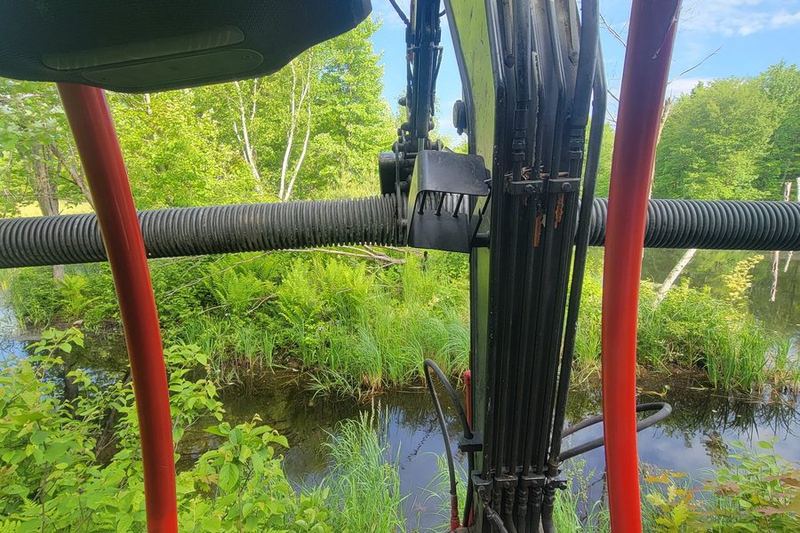
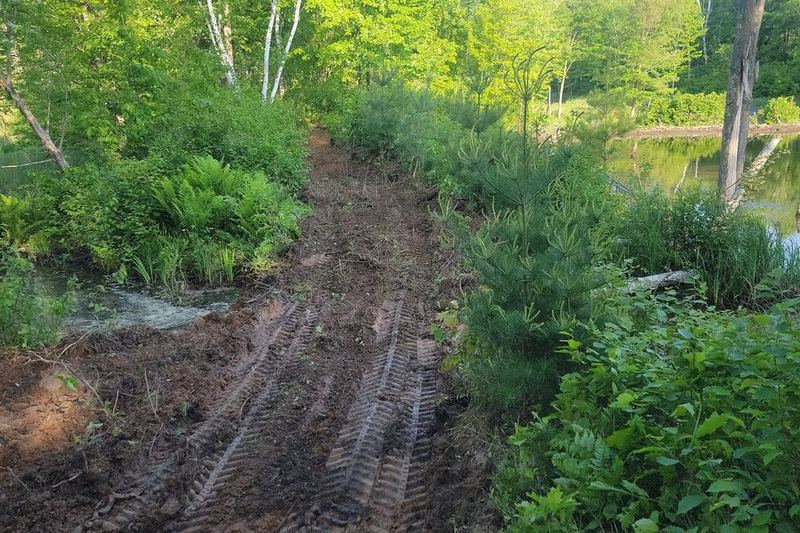
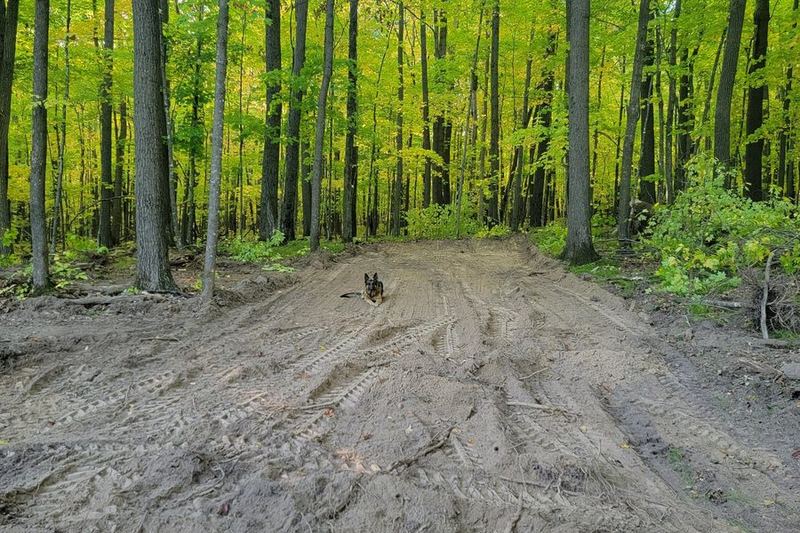
Renovated ground usually ends in feed. See our food plot services for how the planting side runs.
Tell us about your project and we will get back to you. Free estimates, no pressure.
WI, MN and MI: Cumberland, Rice Lake, Turtle Lake, Amery, Luck, Frederic, Siren, Spooner, Ladysmith, Hayward, Hudson, New Richmond, Chippewa Falls, Menomonie, Eau Claire & surrounding northwestern Wisconsin