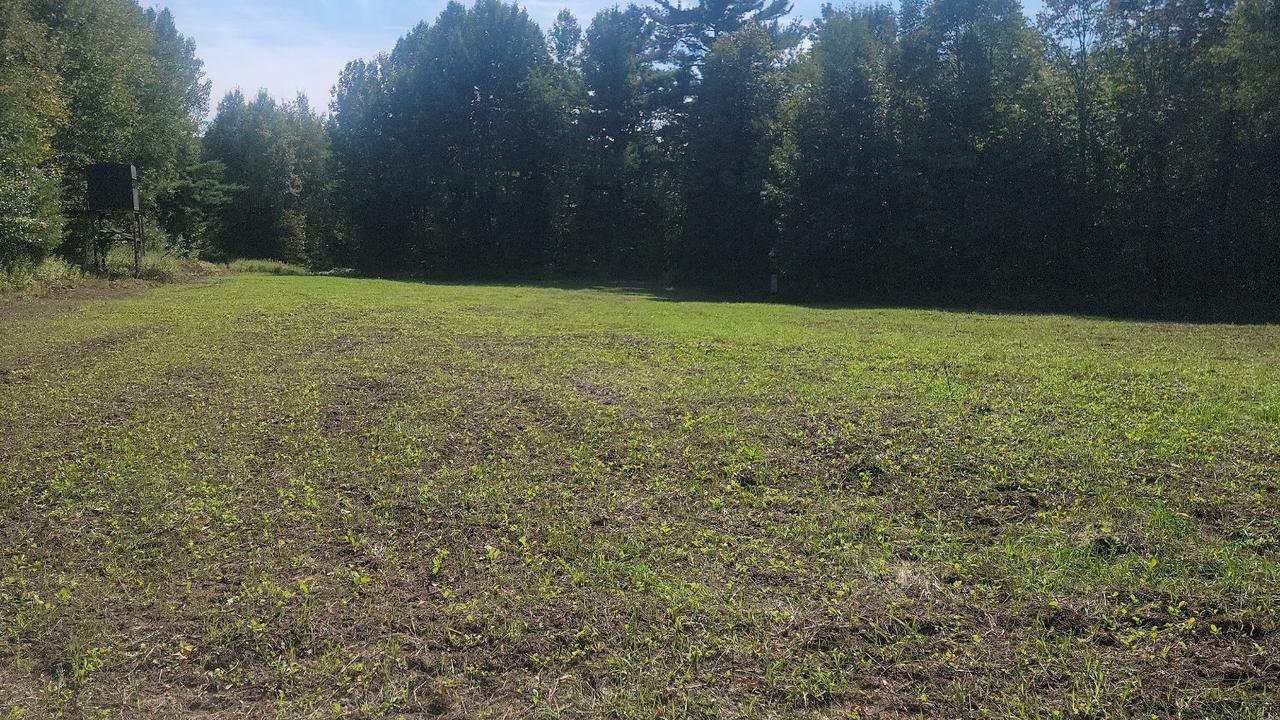
Screening Cover for Food Plots in Northern Wisconsin
Your One Stop Food Plot Shop — Tall Screens So Deer Use Plots in Daylight
Your One Stop Food Plot Shop — Tall Screens So Deer Use Plots in Daylight
A food plot deer can see into from a road, a field edge, or a hunter's own entry trail is a plot deer visit after dark. Screening cover fixes the sight lines. A tall annual screen planted along a plot edge, a road frontage, or an access lane hides movement, breaks up the open look of a cleared plot, and lets deer step into feed feeling covered. That is screening cover for deer doing its real job: not feeding them, but hiding the plot, the access, and the hunter all at once. On ground we manage — 410 acres under management — screens are planned as part of the Full Service System, in order: (1) Mapping, (2) Clearing, (3) Blinds and Trails, (4) Food Plots. The screen belongs on the map first, because where a hunter walks in decides whether the plot works at all.
Screens are not food, and our crew does not plant them as food. Their job is cover: entry and exit routes a hunter can use without being seen, a visual break between a destination plot and the road, and dividers that split one big open plot into smaller, calmer feeding pockets. Paired with the plots on our food plot building page and the stands and lanes on our trails and blind pads page, a screen turns a good planting into a huntable system.
Every step handled by our crew, in the order the ground needs it
Our crew walks the property and marks where deer and people can see each other: road frontage, open field edges, and the lane a hunter uses to reach a stand. Screens go where they block those views, not just where planting is easy.
A new screen line through brush starts with excavator clearing. Clearing is excavator work only and is not part of the food plot planting pass. Then the disc pass works the strip, and planting runs as its own separate pass once the ground is fitted.
Tall annual screening is a warm-soil planting. In northern Wisconsin, and especially north of Highway 8, it goes in late spring to early summer, after frost risk passes, so it grows tall and thick before fall instead of stalling in cold ground.
A single thin row fools nobody. Our crew plants screens wide enough to stay standing and opaque when it matters, with room for the plot, the lane, and the screen to each do their own job inside the same system.
On larger destination ground, interior screen strips break one open field into sections, so deer feed in smaller groups and a hunter can slip along a divider to a stand. Placement follows the same planning used on our doe sanctuary and bedding cover page.
Annual screens fall or thin over winter, so they are re-planned each season as part of food plot maintenance: which lines held, which roads or lanes changed, and where next year's screen needs to move.
The best time to plan screening is winter, when leaves are down and sight lines are honest: stand on the road, stand in the plot, and look at what a deer sees. Our crew maps screen lines during winter planning, lines up any clearing, and plants on time in late spring. See our food plot services in northern Wisconsin page for the full system, and our food plot seed page for how screening seed fits the rest of the planting plan.
Where we work. Our crew is based in Cumberland, in northwestern Wisconsin, and covers WI, MN and MI for the full range of land work. For full-system food plot and hunting property work, we serve landowners across northern Wisconsin, from the home counties of Barron, Polk, Burnett, and Washburn up toward Hayward and across the Northwoods, including owners who live out of state and get photos and updates from our crew as the work gets done. We do not claim a shop or crew base anywhere else; the work travels, the home base stays Cumberland.
Free estimates. Every property starts with a walk, a plan, and a free estimate. Call (715) 722-7270 and our crew will talk through your ground.
A screen is a sight-line tool. These are the rules that decide whether it hides a hunter or just grows tall.
The first screen on most properties belongs on the entry route, not the plot edge. If a hunter is seen walking in, the best food in the county still gets eaten after dark.
Tall annual screening planted into cold Northwoods soil in April sits still while weeds move. Waiting for warm soil is what gets the height and thickness fall hunting needs.
A plot visible from a town or county road gets watched, slowed for, and pressured. A standing screen on the road line lets deer feed in daylight without an audience.
Late spring to early summer, after the soil has warmed and frost risk has passed. North of Highway 8 that window is later and shorter, which is why screen lines are mapped in winter and planted on schedule, not fitted in when time allows.
Yes. Most screens go onto existing properties: along an access lane, a road edge, or between a stand and the plot. Our crew maps the sight lines first, then clears, discs, and plants the strip as its own pass alongside the plots already in the system.
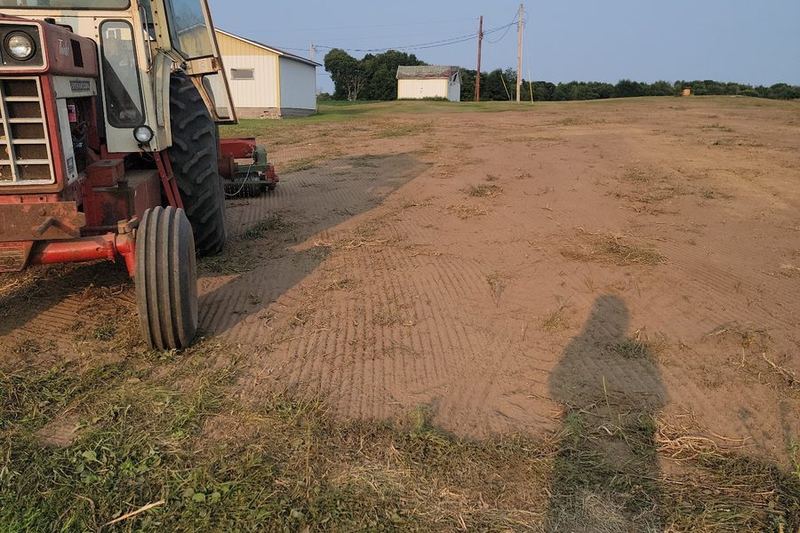
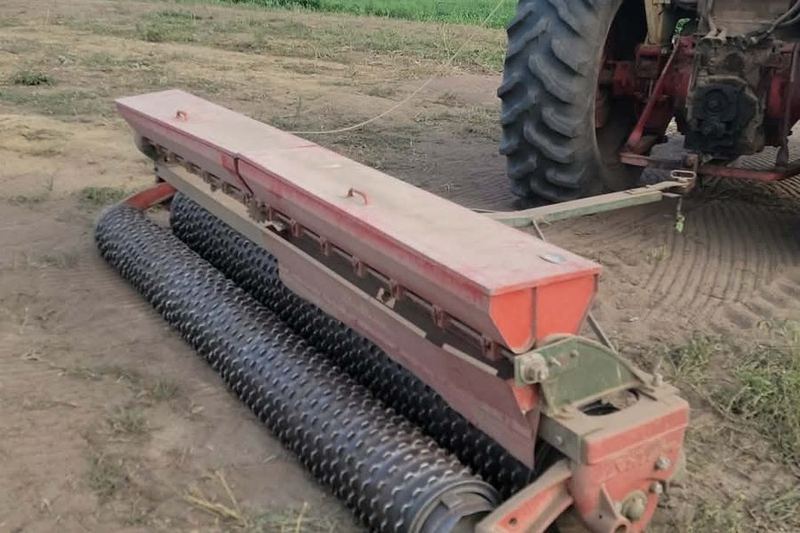
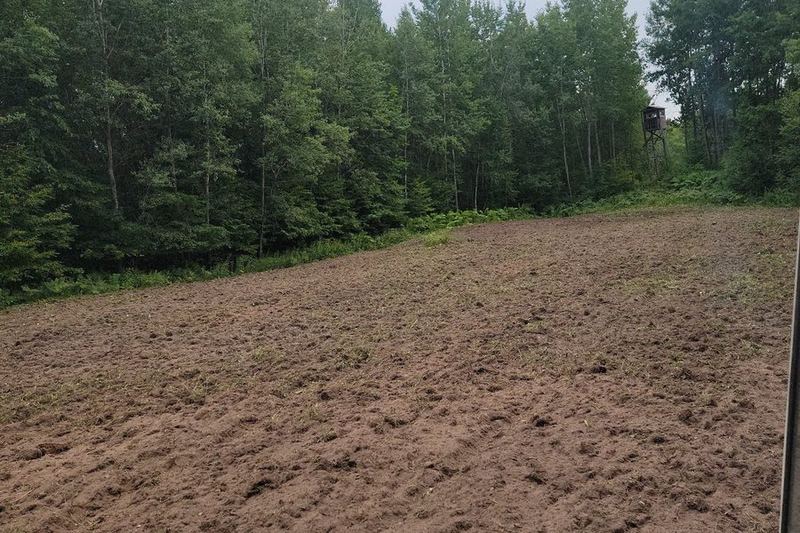
Green plots, worked ground, and the lanes and cover that let deer use them in daylight
Tell us about your project and we will get back to you. Free estimates, no pressure.
Based in Cumberland, serving WI, MN and MI, and landowners across northern Wisconsin, including Chippewa, Dunn, and Eau Claire Counties, for full-system food plot and hunting land work