Food Plot Soil Testing in Northern Wisconsin
Your One Stop Food Plot Shop — Fix the Soil First, Then Plant
Your One Stop Food Plot Shop — Fix the Soil First, Then Plant
A food plot can get good seed, good rain, and clean fitted ground and still come up thin and yellow. Across northern Wisconsin the usual reason is under the surface: soil that is too acidic for clover and brassicas to take up nutrients. Much of the sandy ground in Burnett and Washburn Counties, and the cutover soils under pine and hardwood litter across the Northwoods, run acidic. Fertilizer spread on that ground is partly wasted — the plants cannot use what is there until the pH is corrected, and the soil test is what says how to correct it. On ground we manage — 410 acres under management — soil testing is not an extra. It is the first step before seed money gets spent.
A soil test is a small sample pulled from several spots in a plot, mixed and sent for lab analysis. The report comes back with pH, organic matter, and phosphorus and potassium levels, plus a recommendation for what the ground needs, in tons per acre, for the crop you plan to grow. Clover and alfalfa want a higher pH than brassicas or cereal grains, so the target depends on the planting. Our crew pulls samples plot by plot, because a sandy ridge and a low tag-alder edge in the same field can test very differently. Start with the full system on our hunting properties page, or see how new plots get built on our food plot building page.
Every step handled by our crew, in the order the ground needs it
Our crew pulls cores from across each plot, avoiding old burn piles, road edges, and fertilizer bands that would skew the result, and keeps sandy upland and heavier low ground as separate samples where they differ.
pH tells us whether the ground needs correction and how much; phosphorus and potassium tell us what the ground is short on. The report turns guessing into a per-plot plan — see our food plot seed mixes for matching seed to the corrected ground.
Not every plot needs correction: the test decides, and plenty of ground tests fine as it stands. When the report does call for it, the correction works slowly, months not days, so what the test calls for goes down well ahead of planting, often the fall or winter before. That timing is why soil work gets planned a season ahead, not in the middle of planting season — see our winter planning page.
When a test calls for correction on a new plot, what it calls for gets worked into the ground during tillage. On an established perennial plot, it goes on top and freeze-thaw and rain carry it down over time — one reason frost seeding and soil work are planned together.
Once pH is on the way up, fertilizer dollars work at full strength. Our crew fertilizes to the test instead of by the bag count, and re-tests on the cycle on our food plot maintenance page.
Soil work is the quiet half of a plot system; trails, lanes, and bedding cover carry the rest. See our food plot services in northern Wisconsin and our doe sanctuary and bedding cover page.
Samples can be pulled any time the ground is not frozen solid, and late fall and winter planning put soil work on the schedule before spring planting crowds it out. Our crew is booking soil work and spring plot work now: a plot walk, samples pulled, and a written plan for what the report calls for and the seed, in the right order. A walk-through costs nothing and puts your property on the schedule in the order calls come in.
Where we work. Our crew is based in Cumberland, in northwestern Wisconsin, and covers WI, MN and MI for the full range of land work, including food plot and hunting land work around Hudson and New Richmond. For full-system food plot and hunting property work, we serve landowners across northern Wisconsin, including full-system properties in Chippewa, Dunn, and Eau Claire Counties, from the Spooner side up toward Hayward and across the Northwoods, including owners who live out of state and get photos and updates from our crew as the work gets done. We do not claim a shop or crew base anywhere else; the work travels, the home base stays Cumberland.
Free estimates. Every property starts with a walk, a plan, and a free estimate. Call (715) 722-7270 and our crew will talk through your ground.
A soil test is a reading of the ground a crop has to grow in. It replaces guessing with numbers, and the numbers run the planting.
A standard soil test reads the ground's pH, its phosphorus and potassium levels, and its organic matter, among other measures. Together they say what the soil can feed a crop and what it cannot. Every amendment decision on our jobs starts from those readings.
Ground changes across a property: the old field, the new clearing in the pines, and the low corner by the swamp are three different soils. Our crew pulls samples plot by plot, so each plot gets fed by its own test instead of one average spread over ground that is not average.
What goes in the ground is what the test calls for, at the rate it calls for. Not a bag chart, not a habit, not what worked on a different property. That discipline is the whole reason our plots get tested before they get planted.
Soil work, ground prep, and cleared plots — the system in progress
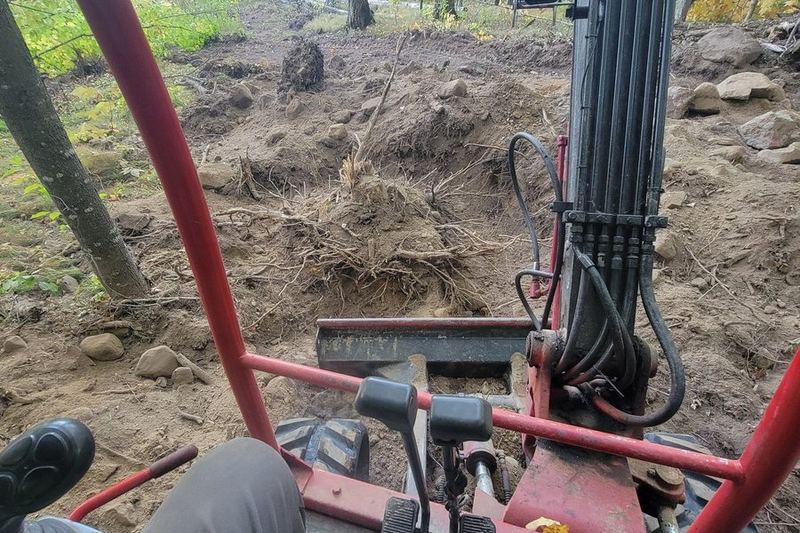
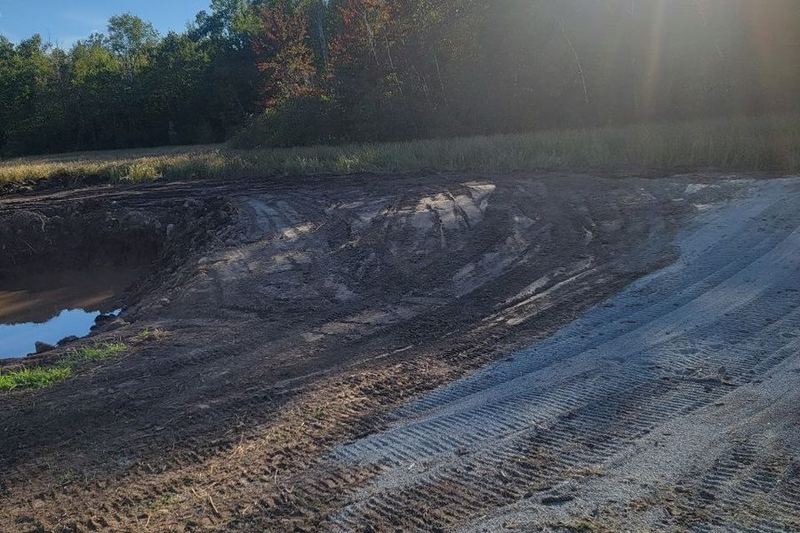
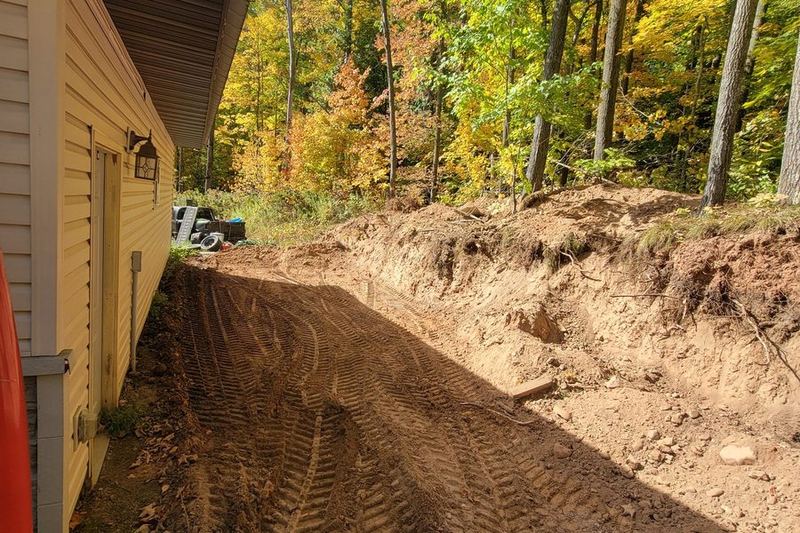
Late fall before freeze-up or early spring before planting both work well on northern ground. Spaeth Land Services pulls samples in the fall on plots planned for next season, so results are in hand before spring field work starts and anything the test calls for can go down ahead of the seed.
It is the first step, because most plot failures start in the soil. A plot planted on ground that was never tested gets fed by guess, and the crop shows it. The test says what the ground is short on, the rates get set from the results, and the next planting goes in on facts instead of hope.
Read a food plot soil test in this order: pH first, then the fertilizer the report calls for. If the pH is low, seed and fertilizer cannot do their work no matter what you plant, and the report says what it takes to correct it. Our crew samples plot by plot on Polk County properties, reads the report against the mix you want to grow, and works the fertilizer the report calls for into the prep before planting. A soil test is part of every full planting job we do, and the walk-through and estimate are free.
The test decides. The report reads your plot's pH and nutrient levels and calls for what the ground is short on, at a rate per acre. Our crew spreads what your soil test calls for, at the rate the test sets, as part of food plot prep across Polk County, and we time it so the ground is moving the right way before seed goes in. Nothing gets spread on a guess.
Sandy Polk County ground grows food plots well if the mix matches the soil: cereal rye is the most forgiving, clover holds with the right fertility, and brassicas produce hard once pH and fertilizer are right. Sandy soil leaches, so the soil test matters more, not less, and fertilizer goes on at the rates the test calls for. Our crew tests sandy plots before planting and builds the fertility into the job, so the plot feeds deer instead of burning out by September.
Tell us about your project and we will get back to you. Free estimates, no pressure.
Based in Cumberland, serving WI, MN and MI, and landowners across northern Wisconsin, including Chippewa, Dunn, and Eau Claire Counties, for full-system food plot and hunting land work