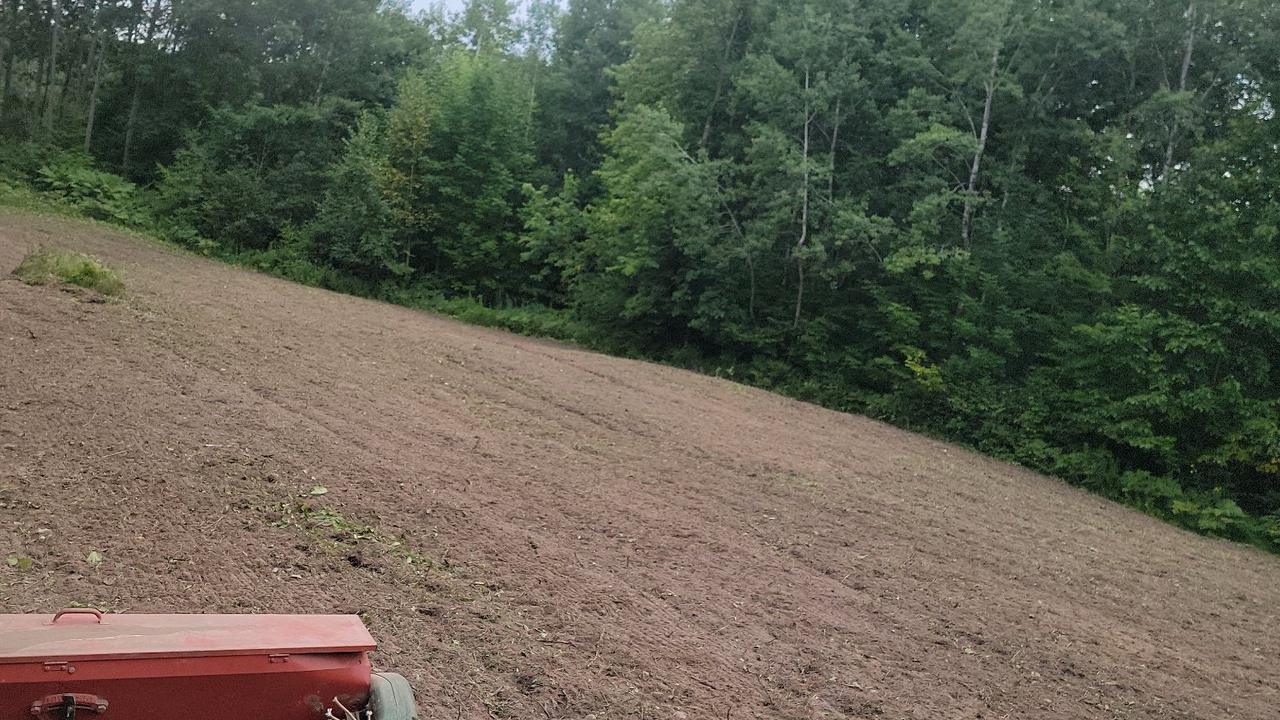
Frost Seeding Food Plots in Northern Wisconsin
Your One Stop Food Plot Shop — Late-Winter Seeding That Starts the Season Early
Your One Stop Food Plot Shop — Late-Winter Seeding That Starts the Season Early
Frost seeding is simple on paper: broadcast seed onto frozen or partly thawed ground in late winter, and let the daily freeze-thaw cycle work it into the soil. As the surface freezes at night and softens in the day, the ground heaves and settles — the honeycombing opens small cracks, seed drops in, and the next thaw settles soil over it. Done at the right time, it gives clover and other perennial plots a head start of weeks over a spring planting, on ground that is still too soft or too snow-covered for tillage equipment. On ground we manage — 410 acres under management — frost seeding is how our crew refreshes thin clover plots and starts new perennial plots without tearing the ground up.
Timing is the whole job in northern Wisconsin. North of Highway 8 the window runs later than it does farther south: snow can sit into March, nights stay hard, and a warm week in February does not mean winter is done. Seed too early and it sits exposed to birds and runoff for weeks; seed too late and the freeze-thaw cycles are over, so the seed lies on top of firm ground instead of working in. Our crew watches the snowpack and the night temperatures on each property and seeds inside the window, not on a fixed calendar date. Start with the full system on our hunting properties page, or see how new plots get built on our food plot building page.
Every step handled by our crew, in the order the ground needs it
Clovers frost seed well because the seed is small, hard, and ready to move with meltwater into the soil surface. Most annuals, including brassicas, belong in worked ground later in the year instead. Our crew matches the mix to the plot — see our food plot seed mixes.
Frost seeding works best onto short, open ground: a plot clipped or grazed down the fall before, with leaf litter and thatch knocked back so seed can reach soil. Thick duff under pine and hardwood litter stops seed cold, which is why the prep happens months ahead.
Clover will not hold on strongly acidic Northwoods soil, and much of the sandy ground in Burnett and Washburn Counties and the cutover soils across the Northwoods run acidic under pine and hardwood litter. Our crew samples before freeze-up, and what the test calls for goes on ahead of seeding, at the rate the test sets, so the ground is right when the clover starts — see our winter planning page.
Broadcast onto snow-dusted or bare frozen ground while nights still freeze and days still thaw. Even coverage matters more than heavy coverage; a thin, even pass that reaches soil beats a thick pass sitting on litter.
Once the ground greens up, our crew walks the plot, checks where seed took and where meltwater moved it, and touches up bare corners while spring planting is still possible. That check rides on the season calendar on our food plot maintenance page.
Frost seeding refreshes the food side of the system; trails, lanes, and bedding cover carry the rest. See our food plot services in northern Wisconsin and our doe sanctuary and bedding cover page.
The frost-seeding window is short, and it does not wait for a spring schedule to fill up. Our crew is booking winter and spring work now: a soil sample and plot walk while sign is still fresh, seed lined up ahead of time, and anything the test calls for spread before the window opens, and the property on the seeding list in the order calls come in. A walk-through costs nothing and puts your property on the schedule before the thaw starts.
Where we work. Our crew is based in Cumberland, in northwestern Wisconsin, and covers WI, MN and MI for the full range of land work, including food plot and hunting land work around Hudson and New Richmond. For full-system food plot and hunting property work, we serve landowners across northern Wisconsin, including full-system properties in Chippewa, Dunn, and Eau Claire Counties, from the Spooner side up toward Hayward and across the Northwoods, including owners who live out of state and get photos and updates from our crew as the work gets done. We do not claim a shop or crew base anywhere else; the work travels, the home base stays Cumberland.
Free estimates. Every property starts with a walk, a plan, and a free estimate. Call (715) 722-7270 and our crew will talk through your ground.
The freeze and thaw cycle is a free planter, if the timing and the ground are right.
Seed spread on frozen ground in late winter rides the freeze and thaw: the surface heaves, cracks, and settles, working seed into contact on its own. It is the oldest no-till trick there is, and on northern ground it is timed in weeks, not months.
Clover seed is small, hard, and built for frost seeding, which is why perennial clover plots get renewed this way. The seed goes down on a prepared plot, over ground that was sprayed and worked the season before, not over live sod and hope.
A frost seeding succeeds or fails in the fall: competition knocked back, soil tested, and the plot readied while it can still be worked. Our crew sets frost seedings up in the fall and spreads them in late winter, as one planned sequence.
Late winter, while the ground is still freezing at night and thawing in the day. Spaeth Land Services spreads clover seed in that window on plots prepared the fall before, so the freeze and thaw works the seed into the soil surface.
Yes, that is what it is for. Frost seeding renews and thickens existing clover plots without tillage. The plot needs its competition handled the season before and its soil tested, and then the late winter pass does the rest.
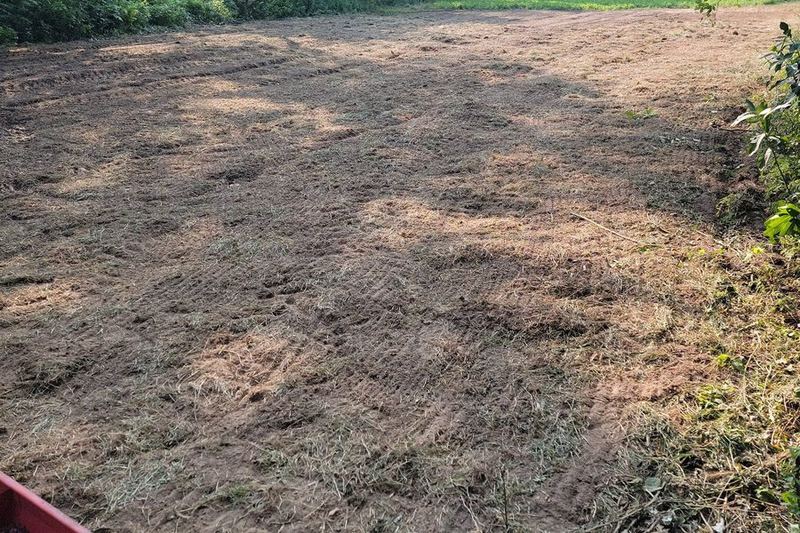
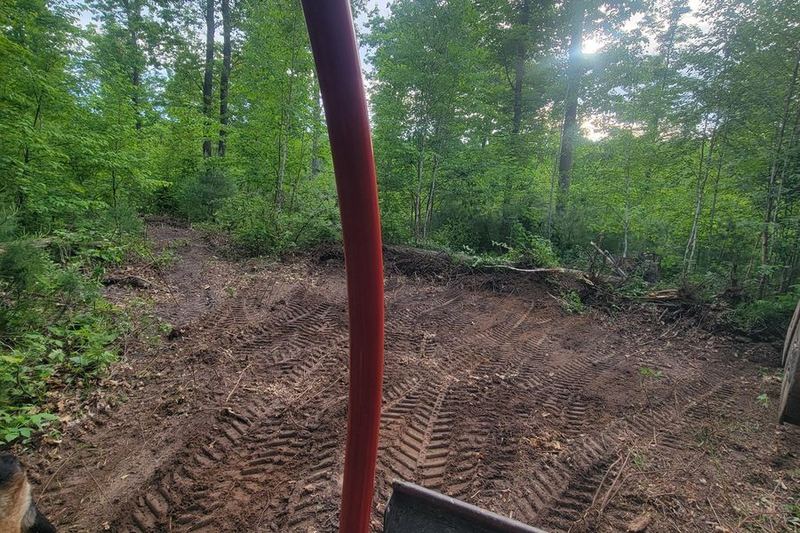
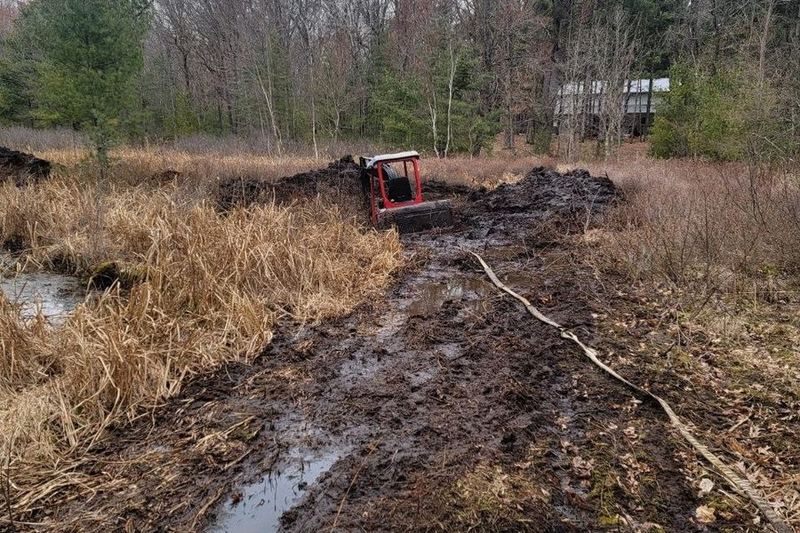
Seed, soil work, and cleared plots — the system in progress
Tell us about your project and we will get back to you. Free estimates, no pressure.
Based in Cumberland, serving WI, MN and MI, and landowners across northern Wisconsin, including Chippewa, Dunn, and Eau Claire Counties, for full-system food plot and hunting land work