Clover Food Plots in Northern Wisconsin
Your One Stop Food Plot Shop — Perennial Clover That Feeds Deer All Season
Your One Stop Food Plot Shop — Perennial Clover That Feeds Deer All Season
Clover is the one planting that works nearly the whole northern calendar. A good perennial clover stand greens up first in spring when deer need it most, feeds through summer, and is still standing in fall when annual plots are done. On ground we manage — 410 acres under management — clover carries the base load while brassicas and grain rotate around it, and it does it on the sandy Burnett and Washburn ground and the heavier soils farther east, in the short season north of Highway 8 where a planting that has to be redone every year is a planting that fails some years.
Clover is not a scatter-and-hope crop either. The seed is tiny and easy to bury, clover stalls hard on sour soil, and a stand that is never mowed or fed goes to grass within a few seasons. Our crew plans clover as part of the whole system — see how plots get built on our food plot building page, and how seed choice is matched to ground on our food plot seed page.
Every step handled by our crew, in the order the ground needs it
Clover goes in two ways in the Northwoods: frost seeded in late winter onto ground prepped the fall before, or planted in spring or late summer on worked, fitted ground. Our crew matches the method to the ground — see our frost seeding page.
Clover fixes its own nitrogen but stalls on acidic soil, and Northwoods ground under pine and hardwood litter runs sour. Testing comes ahead of planting, and what the test calls for goes in at the rate the test sets. See our soil testing page.
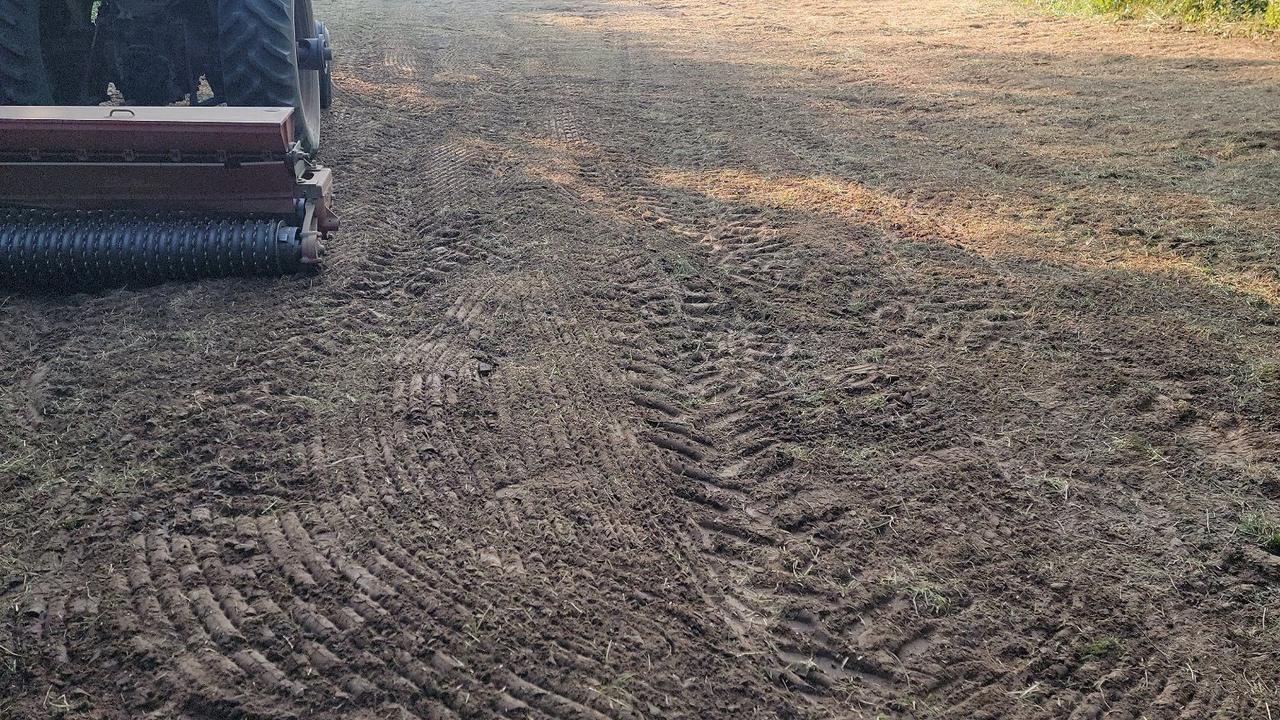
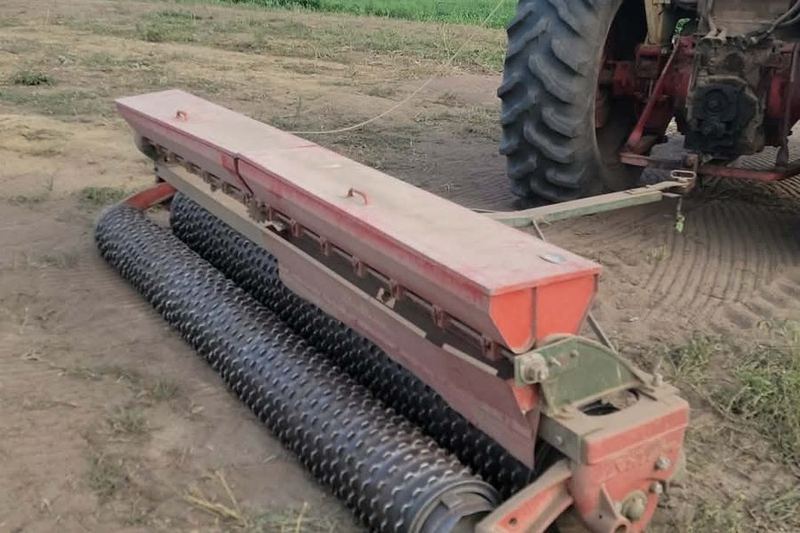
Clover seed is small and needs firm, fine fitted ground and shallow placement. Our crew works the ground, levels it, discs and fits the ground, and then plants with the Brillion, so seed sits where moisture can reach it without burying it.
Clover earns its keep next to bedding cover and along travel routes, paired with brassica and grain blocks so deer always have a next food source in the system. Placement follows the same planning used on our brassica plots and corn and soybean plots.
A clover stand is kept, not just planted. Timed mowing keeps it tender and ahead of weeds, and grass pressure gets handled before it takes the stand over — part of our food plot maintenance work.
A well-kept perennial stand feeds for several seasons from one planting, and tired sections get frost seeded back in rather than starting over. Stands are checked alongside trails and stands — see our late-season hunting land page.
The best time to add a clover plot is the winter before: pick the ground near cover, pull soil samples in fall, and line up clearing and soil work so the late-winter frost-seeding window is not missed. Our crew is booking winter planning and next-season plot work now. A walk-through costs nothing and puts your property on the schedule in the order calls come in — see our winter planning and food plot services in northern Wisconsin pages for the full system.
Where we work. Our crew is based in Cumberland, in northwestern Wisconsin, and covers WI, MN and MI for the full range of land work, including food plot and hunting land work around Hudson and New Richmond. For full-system food plot and hunting property work, we serve landowners across northern Wisconsin, including full-system properties in Chippewa, Dunn, and Eau Claire Counties, from the Spooner side up toward Hayward and across the Northwoods, including owners who live out of state and get photos and updates from our crew as the work gets done. We do not claim a shop or crew base anywhere else; the work travels, the home base stays Cumberland.
Free estimates. Every property starts with a walk, a plan, and a free estimate. Call (715) 722-7270 and our crew will talk through your ground.
Clover is simple seed with strict rules. These are the ones that decide whether a stand lasts one season or five.
Clover makes its own nitrogen, but it cannot fix sour soil. On acidic Northwoods ground a stand yellows and thins no matter how good the seed was. Soil samples get pulled first, and what goes in the ground is what the test calls for, at the rate the test sets.
Clover seed buried deep is seed wasted. Firm, packed ground with seed sitting shallow is what turns a planting into an even stand instead of a patchy one — which is why our crew discs and fits the ground first, then plants with the Brillion.
Mowing at the right times and staying ahead of grass keeps an established stand tender and thick for years. A neglected stand is usually not dead — it is crowded out, and most can be brought back with maintenance instead of a full replant.
Two windows work: frost seeding in late winter onto ground prepped the fall before, or a spring or late-summer planting on worked, fitted ground. Spaeth Land Services matches the window to the ground, with the soil tested first, so the stand is established and feeding in its first season.
Usually pH and upkeep. Clover stalls on acidic soil, and a stand that is never mowed lets grass take the light and the space. Most thin stands can be soil tested, limed if the test calls for it, mowed back into shape, and frost seeded to fill the gaps instead of starting over.
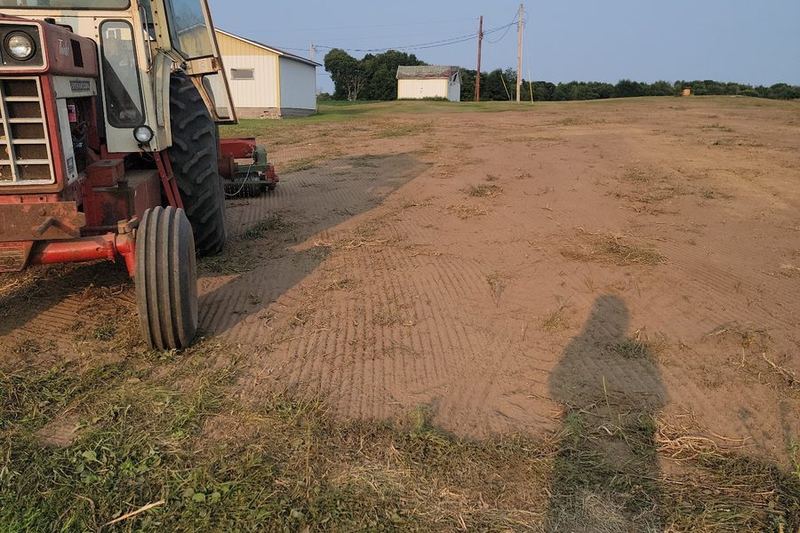
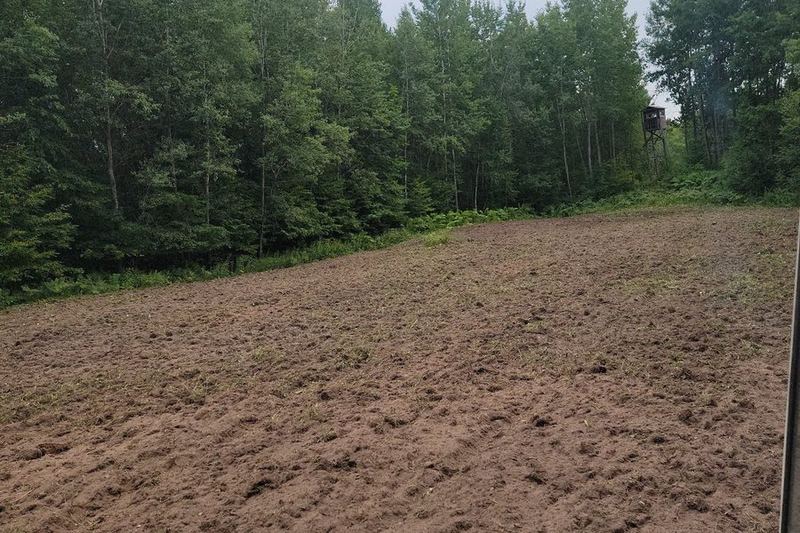
Cleared openings, worked ground, and planting gear — the system in progress
Tell us about your project and we will get back to you. Free estimates, no pressure.
Based in Cumberland, serving WI, MN and MI, and landowners across northern Wisconsin, including Chippewa, Dunn, and Eau Claire Counties, for full-system food plot and hunting land work