Land Reclamation & Native Prairie Restoration
Tired Ground Put Back to Native Cover, Prep Through Planting
Tired Ground Put Back to Native Cover, Prep Through Planting
Spaeth Land Services reclaims tired ground in northern Wisconsin and puts it back to native cover. We take down invasive plants and old grass fields with the disc, drill in native grass and wildflower mixes, plant pollinator habitat, and mow while the new planting gets established. One crew handles the whole job, prep through planting. Switchgrass anchors the native grasses we drill for bedding cover, field borders, and winter thermal cover. Reclamation work runs across Polk, Barron, Rusk, Burnett, Washburn, and Sawyer Counties — old fields, retired pasture, and tired ground put back to native cover the same way, one crew from prep through planting.
A prairie planting is not seed on dirt. Invasive growth has to be taken down, the ground prepared, and the planting carried through establishment.
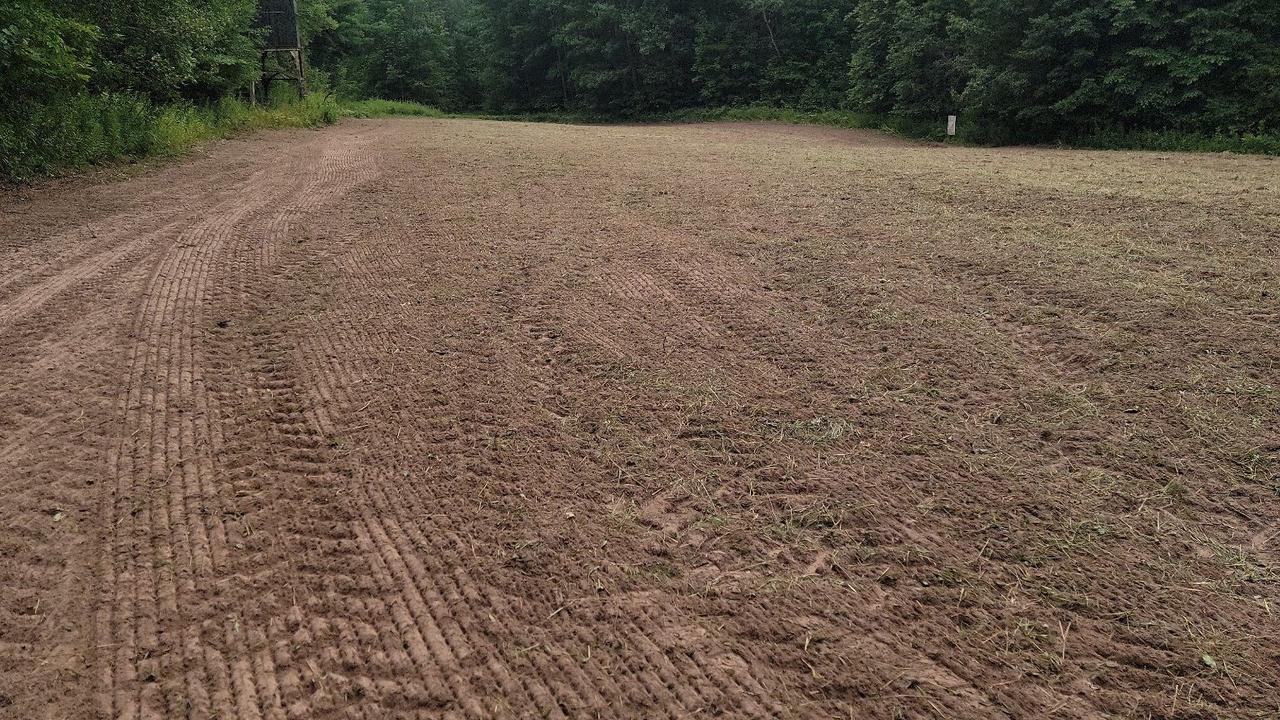
Old grass fields and invasive plants get taken down with the disc before native seed ever touches the ground. Planting into live competition is how native mixes fail, so the ground work comes first and the seeding follows it.
Native grass and wildflower mixes get drilled in at the right depth, the same discipline as our food plot planting: fitted ground, right rate, firm contact. Pollinator habitat plantings run on the same sequence.
A native planting is not finished when the seed is in. Mowing while the planting gets established keeps the old growth from shading it out, and our crew carries plantings through that window instead of leaving them to chance.
Land reclamation is turning ground that has gone to invasive plants, brush, and tired grass back into native prairie and pollinator habitat that can hold its own. Old farm fields, overgrown openings, and CRP-style ground are the usual starting points.
We take the field down with the disc and work it until the old growth is knocked back and the ground is ready for seed. Timing and repeat passes matter more than speed: the goal is clean, fitted ground, not just a mowed field.
Most native grass and wildflower mixes go in with our Brillion drill behind the tractor, which puts seed at the right depth with firm seed to soil contact. Small or tight pieces get planted with a four wheeler and seeder.
A new planting needs mowing while it gets established. We do the upkeep mowing through the first seasons so weeds stay knocked back while the native grasses and flowers take hold.
Yes. A lot of this work is done by landowners under conservation cost share programs, and the program does not do the ground work. We handle the prep, the planting, and the mowing.
Our crew starts with a walk of the ground to see what is growing, where the brush sits, and how the field lays. Then the old growth and invasives come down with the disc, worked in passes until the ground is clean and fitted. A soil test is the standard step before planting so the mix matches the ground it is going into. Only then does the drill roll, putting native grass and wildflower seed in at the right depth, and mowing follows while the planting gets established.
Yes, that is the ground our crew does most of this work on. Brush and invasive growth get taken down first, then the disc works the ground in passes so roots and old growth are knocked back instead of just trimmed off the top. Once the ground is clean and fitted, native grass and wildflower mixes get drilled in to take the space back. The follow-up mowing matters just as much, because brush ground tries to come back, and steady upkeep gives the native cover the head start it needs to hold.
The program office side is paperwork: the plan, the practice standards, and the sign-offs stay with them and with you as the landowner. Our crew handles everything that happens on the ground. We do the take-down, the disc work, the drilling, the planting, and the establishment mowing, working to the plan your ground is under. We do not write the plan or approve anything, and we do not speak for any program. You bring the plan, our crew brings the equipment, and the field work gets done right.
More than most people expect. In the establishment year our crew keeps the planting mowed back so old weeds and grasses do not shade out the young native growth underneath. The natives are putting roots down first, so the top can look slow while the real work happens below ground. Mowing height and timing get adjusted as the planting thickens, and the passes taper off as the native grasses and flowers take hold and start holding their own. Skipping that first-season mowing is where a lot of plantings get lost.
Every piece of ground is different, so we do not put numbers online. We will walk the ground with you free and give you a straight estimate before any work starts.
Ground that comes back can also carry feed. Our food plot services handle the planting side when a reclaimed piece becomes plot ground.
Tell us about your project and we will get back to you. Free estimates, no pressure.
WI, MN and MI: Cumberland, Rice Lake, Turtle Lake, Amery, Luck, Frederic, Siren, Spooner, Ladysmith, Hayward, Hudson, New Richmond, Chippewa Falls, Menomonie, Eau Claire & surrounding northwestern Wisconsin