Food Plot Maintenance in Northern Wisconsin
Planned in Winter, Kept Producing All Season, Across the Northwoods
Planned in Winter, Kept Producing All Season, Across the Northwoods
Most food plot maintenance in northern Wisconsin is decided in winter, not in spring. What got browsed down, what went thin, and what the soil is missing are all easiest to read right after the season, while the sign is still fresh. Our crew uses the cold months to walk plots, pull soil samples before deep snow locks the ground, schedule lime, and set the frost-seeding and planting plan — so spring starts with work already lined up instead of guesses. That upkeep is part of one system on the ground we manage: 240 acres under management. A maintained plot feeds deer from green-up through the late season; a neglected one fades a little more every year until it is just a thin opening in the woods.
Northern ground punishes a late plan. North of Highway 8 the season is short: frost can linger into May and return in September, soils run from sand in Burnett and Washburn Counties to heavier ground farther east, and acidic soil under pine and hardwood litter quietly caps what any seed can do no matter how good the mix is. Maintenance timed for this country — lime down early because it needs months to work, clover frost-seeded while freeze and thaw are still cycling, brassica ground prepped in summer — is what separates a plot that holds deer from one they walk past. New ground starts on our food plot building in northern Wisconsin page; this page is about keeping built ground producing, alongside our Complete Food Plot System and food plot seed mixes.
What our crew does, season by season, to keep Northwoods plots producing
Winter is also trail season: access trails, shooting lanes, and stand sites are cut and checked while the leaves are down and sight lines are honest. Details on our trails page.
Northwoods soils often run acidic under pine and hardwood litter. Samples come first, and lime goes down at the rate the test calls for — early, because lime needs time to work before planting.
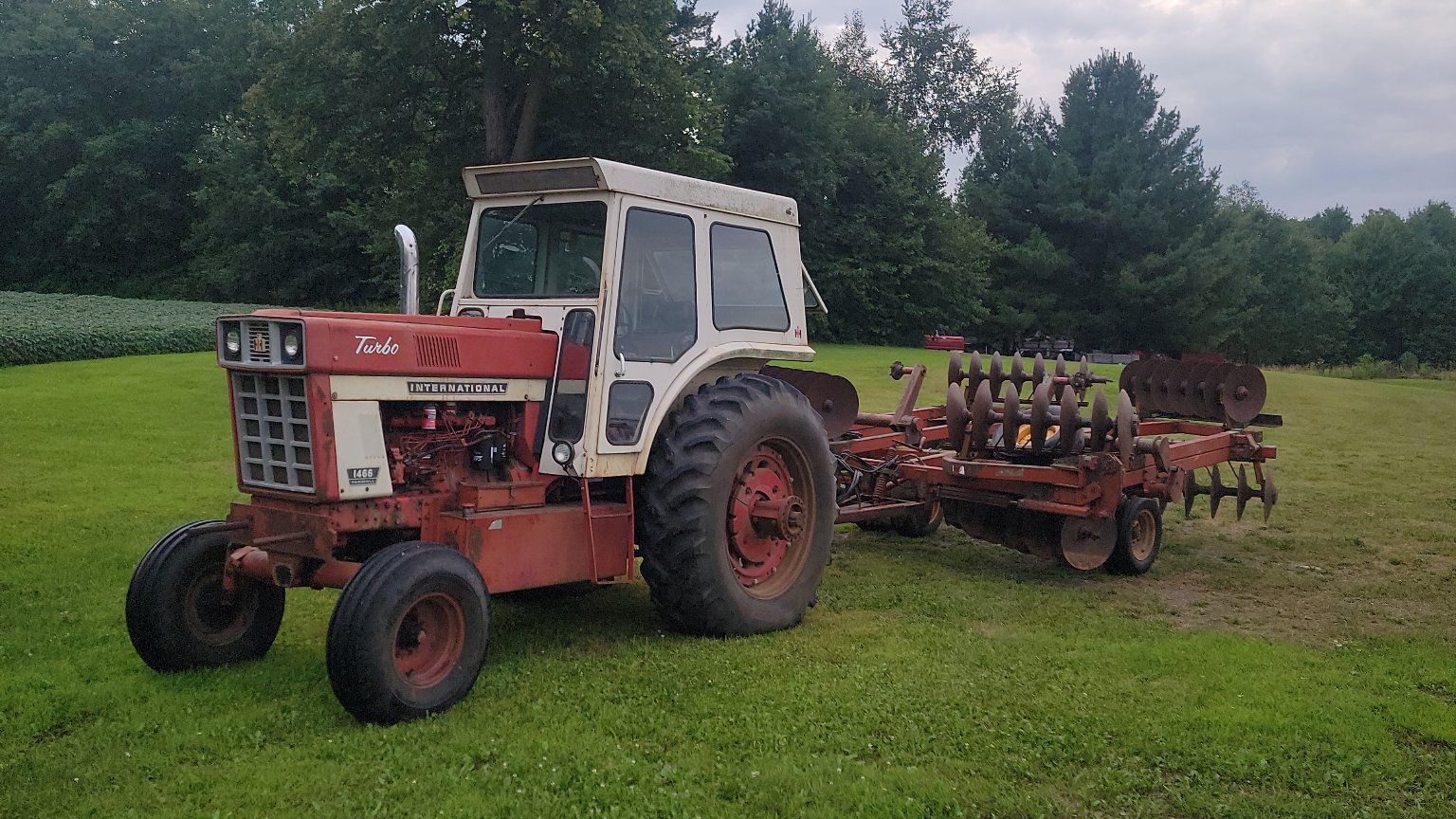
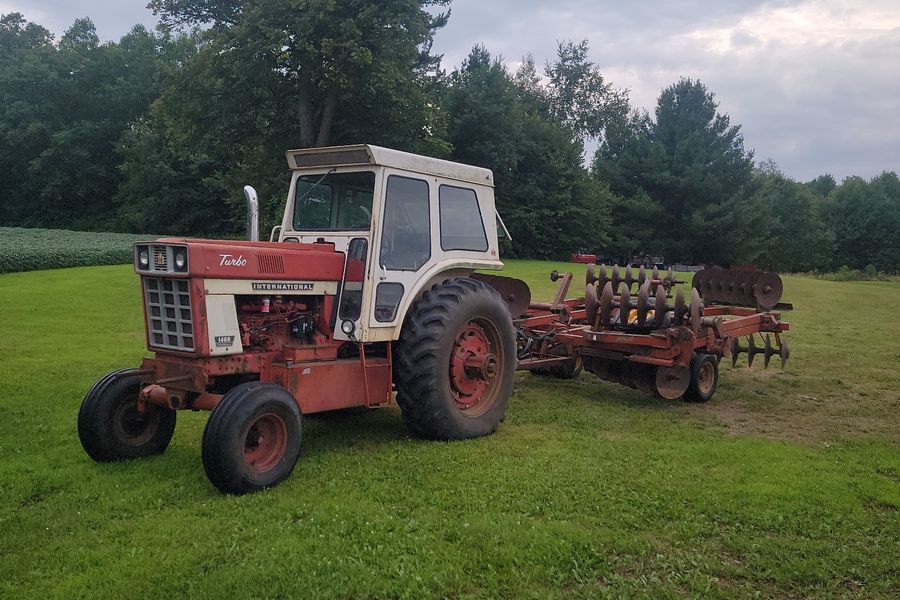
Prep spraying knocks back competing grasses and weeds, then disking works a clean seedbed, even in the small hidey-hole plots tucked into aspen cuts where big equipment cannot go.
Planting dates are set for northern frost windows: clover frost-seeded in late winter, brassicas in mid to late summer so they size up before the cold, grains and sugar beets timed to be standing when it matters. See our food plot seed mixes.
A plot only hunts well if you can get to it quietly. Access trails, shooting lanes, and stand sites are cut as part of the build — details on our trails page.
Level pads and blind placement matched to wind, food, and bedding, so the finished property hunts as one plan instead of a set of pieces.
Plots rarely fail all at once. They fade: soil pH slips a little lower each year, grass takes another edge, clover thins, and browse pressure concentrates on what is left until there is not enough standing to hold deer in daylight. Steady maintenance reverses each of those, one season at a time:
Where we work. Our crew is based in Cumberland and covers Barron, Polk, Burnett, and Washburn Counties for the full range of land work. For full-system food plot and hunting property work, we serve landowners across northern Wisconsin — across the Northwoods — including owners who live out of state and get photos and updates from our crew as the work gets done. We do not claim a shop or crew base anywhere else; the work travels, the home base stays Cumberland.
Free estimates. Every property starts with a walk, a plan, and a free estimate. Call (715) 722-7270 and our crew will talk through your ground.
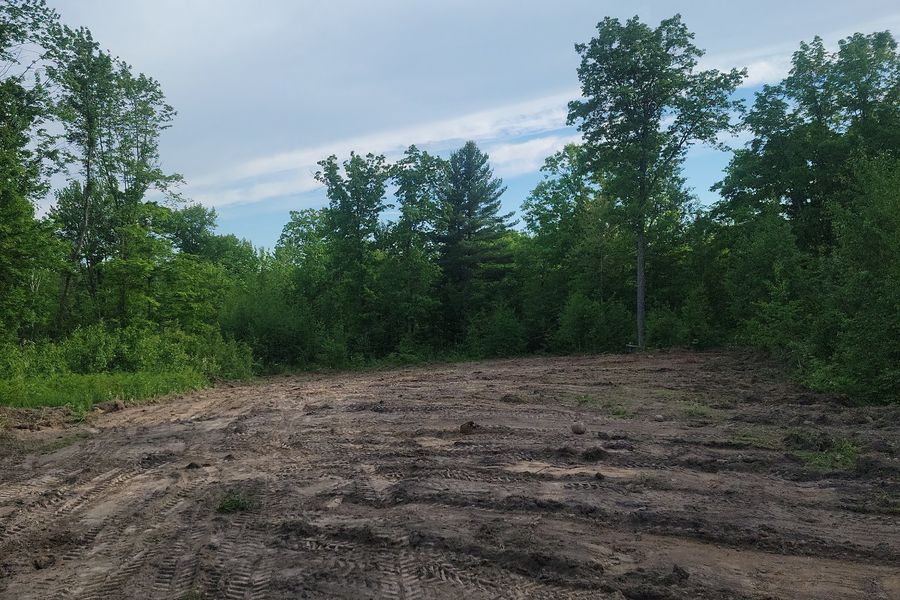
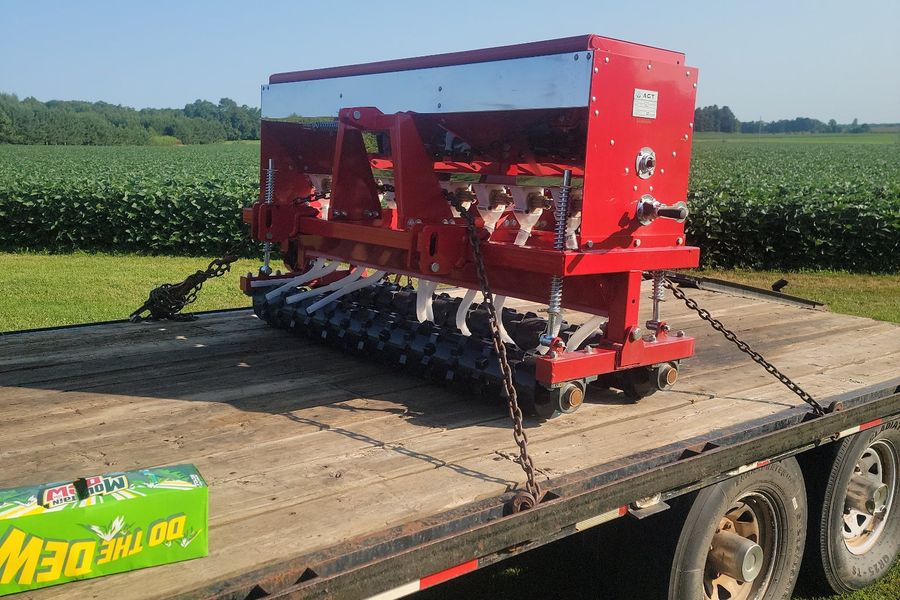
Clearing, working, and planting — the build in progress
Tell us about your project and we will get back to you. Free estimates, no pressure.
Based in Cumberland, serving Barron, Polk, Burnett & Washburn Counties, and landowners across northern Wisconsin for full-system food plot and hunting land work